Unpacking Trailer Editing Patterns That Shape Discovery of Cross-Cultural Action and Drama Releases Across Digital Platforms
Written by David Patterson · Aug 4, 2026
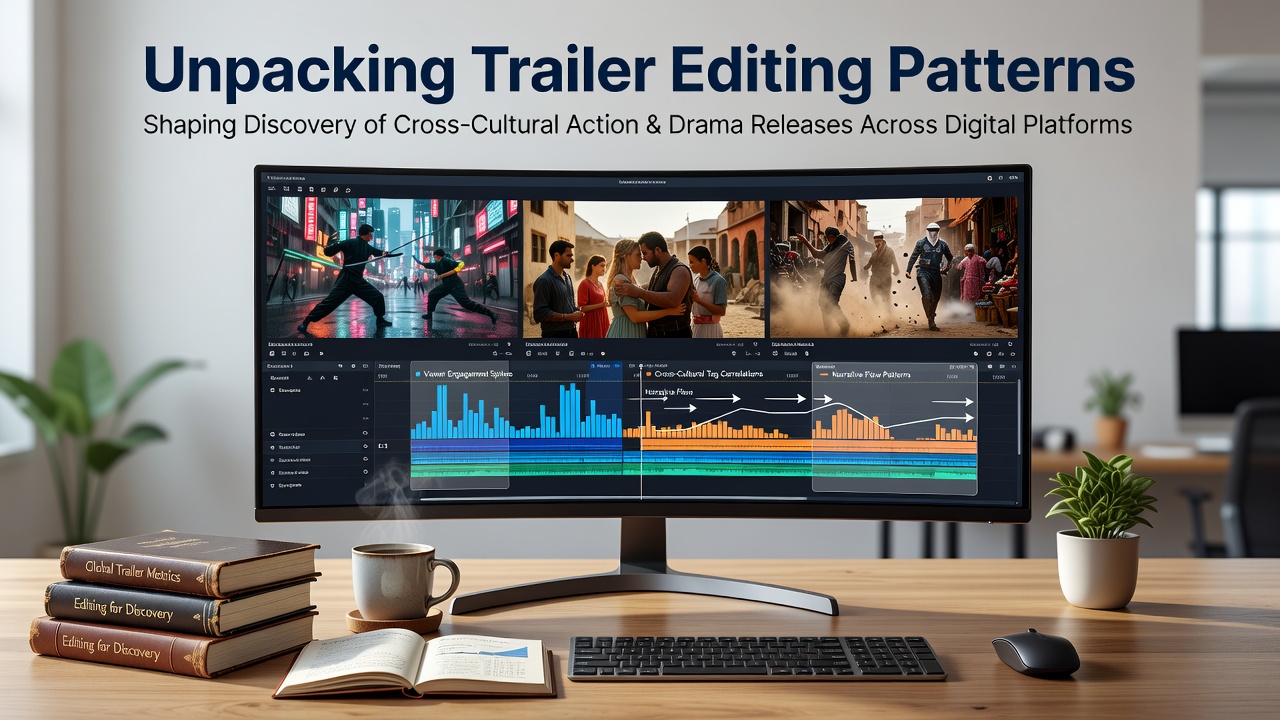
Unpacking Trailer Editing Patterns That Shape Discovery of Cross-Cultural Action and Drama Releases Across Digital Platforms
Trailer editing patterns have evolved into structured sequences that blend rapid cuts, cultural signifiers, and score builds to guide viewer attention across global markets, and these approaches directly influence how action and drama titles surface in recommendation engines on digital platforms. Data from streaming analytics firms shows that edited trailers incorporating region-specific motifs alongside universal action beats increase click-through rates by measurable margins in diverse territories. Observers note that editors often layer three-act structures within two-minute windows, starting with high-stakes hooks, transitioning through character-driven tension, and resolving with cliffhanger payoffs that resonate beyond single-language audiences.
Core Editing Techniques Across Genres
Action trailers frequently rely on synchronized montage patterns where fight choreography aligns with percussive audio spikes, while drama releases emphasize slower dissolves that highlight emotional arcs and dialogue fragments. Researchers at media studies programs have documented how these choices create algorithmic signals that platforms use to categorize content for users in multiple regions. For instance, editors insert subtle color grading shifts to evoke specific cultural landscapes without alienating broader viewers, and this practice appears consistently in releases that achieve wider digital visibility. Those who analyze platform metadata find that trailers edited with hybrid pacing—alternating between kinetic sequences and quieter moments—tend to generate higher completion rates during preview playback.
Cross-Cultural Adaptation in Editing Workflows
Production teams adapt trailer cuts by testing multiple versions that foreground different narrative elements depending on target markets, and this modular approach allows a single film to test well in both domestic and international feeds. According to reports from the European Audiovisual Observatory, such variations have contributed to increased cross-border discovery of action-dramas on major platforms since the mid-2020s. Editors incorporate localized music cues or subtitle overlays early in the cut, yet they maintain core visual rhythm so the trailer functions uniformly in recommendation carousels. This method supports platforms' content-matching systems, which prioritize trailers with balanced cultural and universal appeal when surfacing titles to new users.
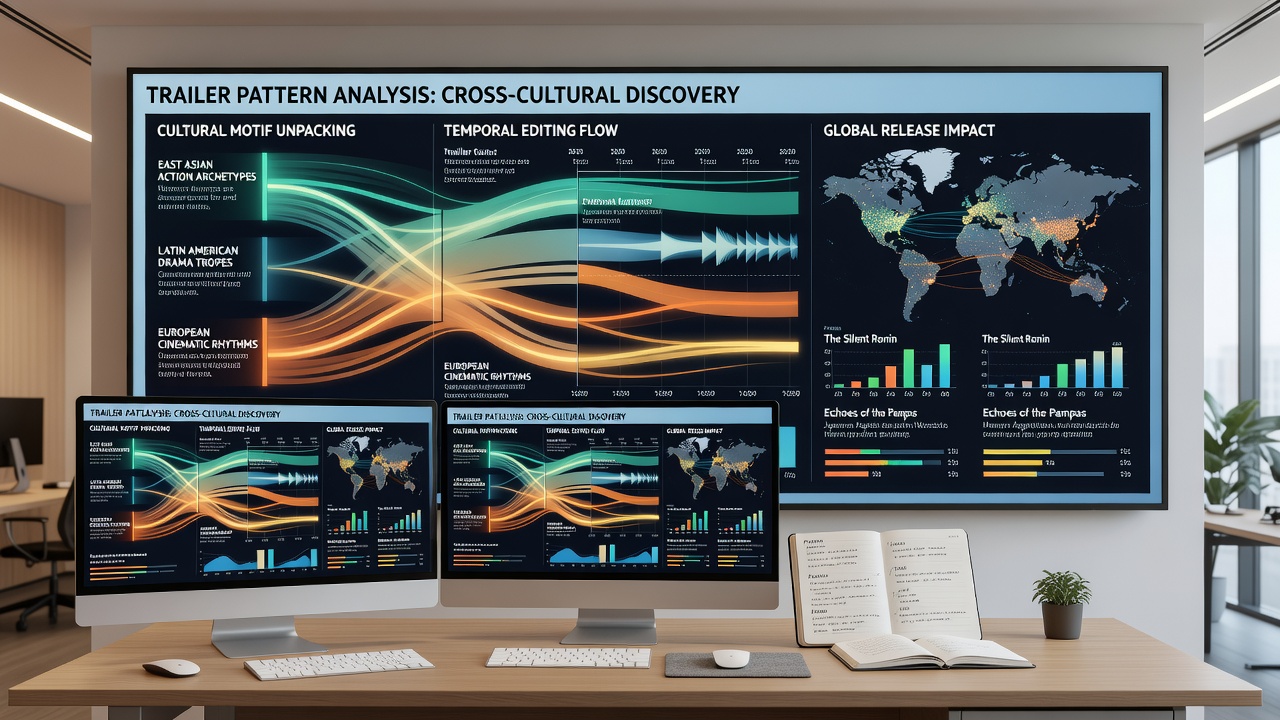
What's interesting is how these patterns intersect with platform algorithms that track watch time and engagement metrics. Trailers featuring quick-establishing shots of iconic locations alongside intense character confrontations often rank higher in search results across regions, because the editing creates immediate context that algorithms interpret as broadly accessible. Data indicates that drama trailers edited with recurring thematic motifs, such as repeated visual symbols tied to family or conflict, sustain viewer interest longer during autoplay sequences on digital services.
Platform Discovery Mechanisms and Trailer Influence
Digital platforms deploy recommendation systems that weigh trailer metadata, including edit duration, scene transitions, and audio peaks, when matching titles to user profiles, and this weighting favors content whose promotional material demonstrates clear cross-cultural editing signatures. Studies from university film departments reveal that action releases edited with parallel storytelling techniques—intercutting multiple character threads—achieve broader algorithmic promotion in non-origin markets. Drama trailers, by contrast, benefit from restrained editing that preserves narrative ambiguity, allowing platforms to position them within both genre-specific and mood-based playlists. Figures from industry tracking services show measurable upticks in discovery for titles whose trailers underwent iterative regional testing before global rollout.
Those who've examined release calendars note that August 2026 saw several cross-cultural action-dramas gain traction through trailers that balanced spectacle with interpersonal stakes, a pattern editors achieved by compressing key emotional beats into the opening thirty seconds. This timing strategy aligns with how platforms prioritize initial engagement signals to determine further distribution. External analyses confirm that consistent application of these editing rhythms correlates with higher placement in trending sections across territories.
Regional Variations in Editing Approaches
Editors working on releases from different production hubs apply distinct layering techniques, such as integrating local performance styles into universal action frameworks, and these choices affect how platforms categorize and promote the resulting trailers. Research compiled by academic institutions highlights that trailers edited to emphasize ensemble dynamics rather than single-hero arcs perform better in markets with collectivist viewing preferences. Meanwhile, drama-focused cuts often foreground landscape and sound design elements that convey tone without relying on spoken language, thereby supporting discovery for audiences outside primary language groups. Platforms register these variations through engagement data that feeds back into recommendation models, reinforcing successful patterns over time.
Measurement of Impact on Viewer Behavior
Analytics from digital distribution networks demonstrate that trailers edited with strategic silence gaps before major reveals generate higher save rates for later viewing, particularly among users exploring content from unfamiliar cultural origins. This behavior contributes to sustained catalog circulation for action and drama titles. Observers tracking platform trends report that such editing decisions help surface films in personalized queues even when initial search terms remain broad. The interplay between trailer structure and algorithmic surfacing continues to shape which cross-cultural releases reach wider audiences through repeated exposure cycles.
Conclusion
Trailer editing patterns centered on hybrid pacing, cultural layering, and modular narrative beats have become central to how action and drama releases achieve discovery across digital platforms, with measurable effects documented in platform data through 2026. These techniques allow promotional material to function as effective entry points for diverse viewer groups while aligning with the technical requirements of recommendation systems. Continued refinement of these approaches supports ongoing cross-cultural circulation of films in an environment where editing choices directly inform content visibility.