Tracing the Path from Film Festival Screenings to Worldwide Digital Availability
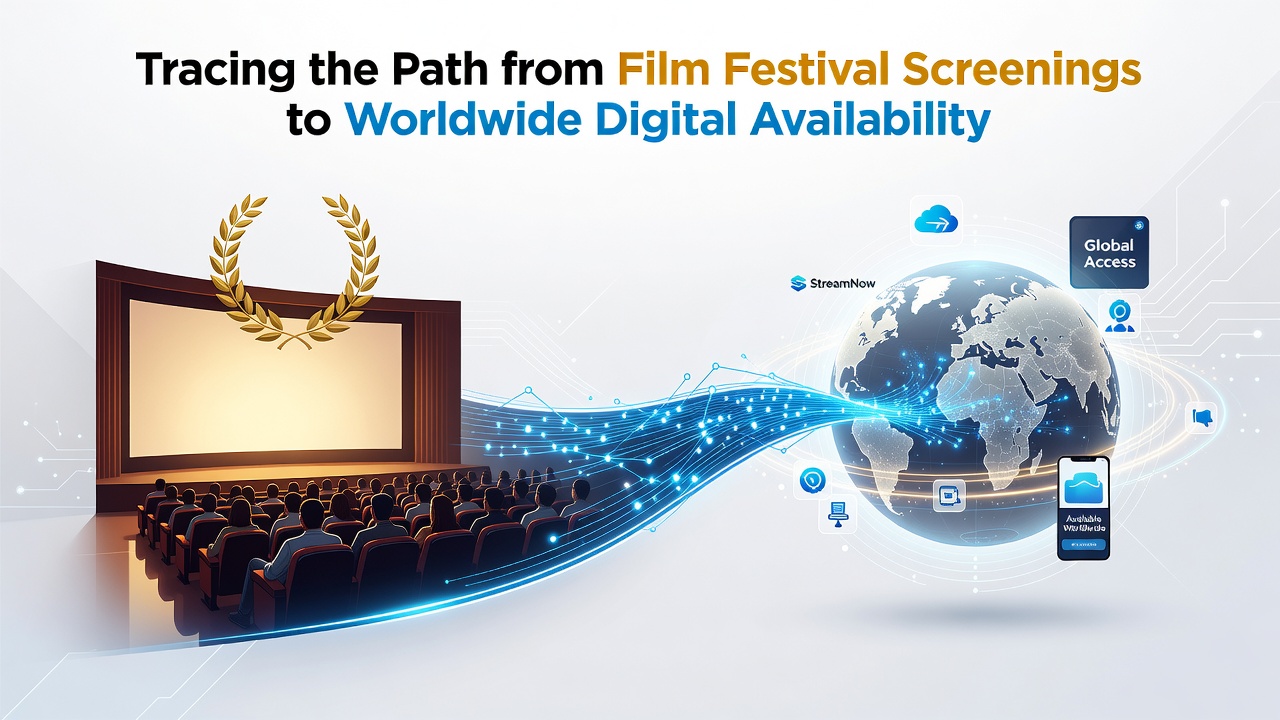
Film festivals serve as critical launch points where independent productions gain initial visibility through curated screenings that attract distributors, critics, and acquisition executives from major studios and streaming services alike. These events create structured environments for negotiations that begin immediately after screenings conclude, with deals often finalized within days or weeks depending on market response and critical reception metrics tracked by industry observers.
Festival Circuits as Entry Points
Events such as Sundance, Cannes, and the Toronto International Film Festival function as gateways where filmmakers present completed works to selective audiences composed of buyers who evaluate commercial potential through audience reactions and post-screening discussions. Data from the European Audiovisual Observatory indicates that festival premieres account for a substantial portion of international sales activity each year, with contracts frequently including clauses for territorial rights that cover multiple regions simultaneously. Observers note how a strong festival performance can accelerate timelines from initial pitch to signed agreements, bypassing traditional development cycles that once stretched across years.
Acquisition and Rights Management
Once screenings generate interest, sales agents and producers enter bidding processes where streaming platforms and theatrical distributors compete for rights packages that encompass both domestic and international territories. These transactions involve detailed assessments of audience data, genre trends, and platform-specific performance histories, with agreements specifying windows for exclusive theatrical runs before digital transitions occur. Researchers at institutions tracking global content flows have documented how rights fragmentation occurs when separate deals cover linear television, video-on-demand services, and subscription streaming in distinct markets.
Transition from Theatrical to Digital Platforms
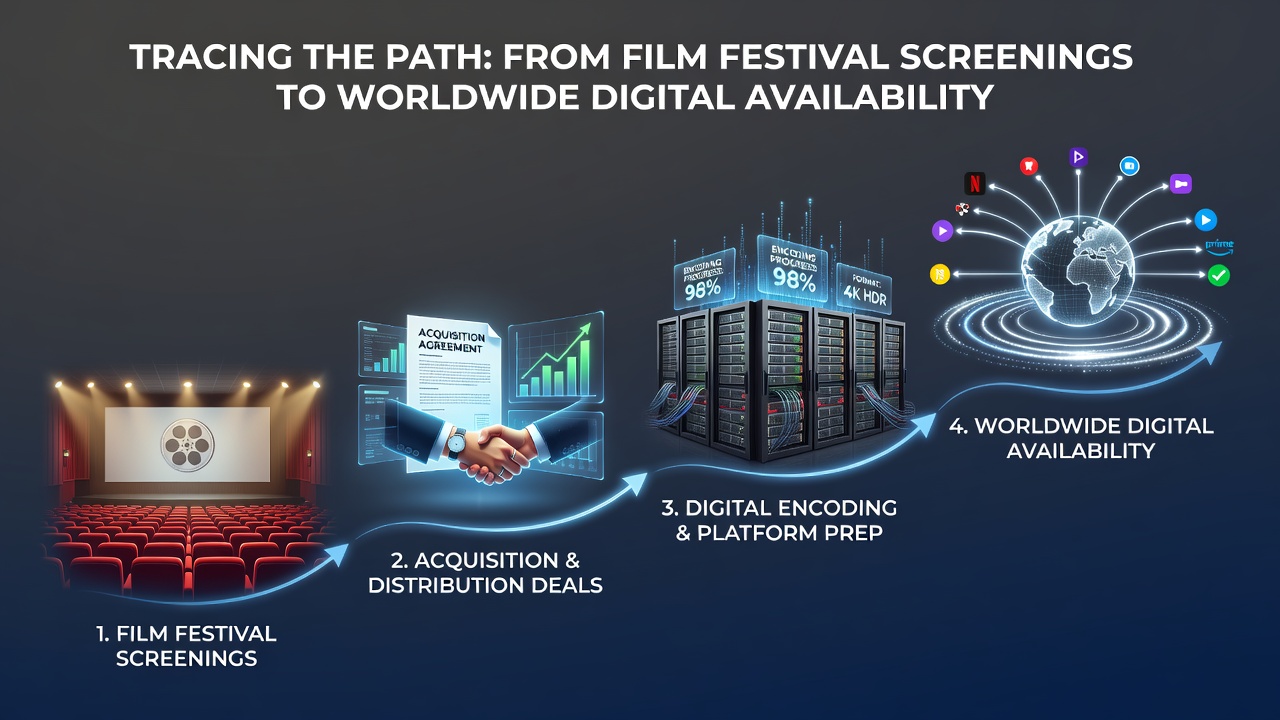
Theatrical releases typically precede digital availability by periods ranging from 30 to 90 days in most territories, although this window has shortened in recent years as platforms integrate festival acquisitions directly into their catalogs. By July 2026, industry reports showed accelerated digital rollouts following festival seasons, driven by simultaneous licensing agreements that allow titles to appear on services across North America, Europe, Asia, and Australia within coordinated timeframes. Content moves through encoding, subtitling, and metadata preparation stages before upload, with platforms applying region-specific algorithms to surface titles based on viewer preferences and promotional campaigns tied to festival accolades.
Distribution models vary by region where European markets often emphasize public funding support for digital accessibility, while North American strategies prioritize platform exclusivity periods that maximize subscriber retention. Studies compiled by Screen Australia highlight how Australian productions frequently secure festival deals that bundle streaming rights for Asia-Pacific territories, creating efficient pathways from premiere to regional availability without intermediate theatrical stops in every market.
Global Reach and Platform Integration
Worldwide digital availability depends on licensing frameworks that address language localization, content rating compliance, and revenue sharing structures negotiated during the festival acquisition phase. Platforms maintain dedicated acquisition teams who monitor festival lineups year-round, using performance indicators such as social media engagement and critic scores to prioritize titles for broader distribution. Figures released by the Motion Picture Association reveal steady increases in festival-originated content on major services, reflecting strategic shifts toward diversified libraries that include international productions alongside domestic releases.
Technical infrastructure supports this expansion through cloud-based delivery networks that enable simultaneous launches across time zones, with automated systems handling geo-restrictions and payment processing for pay-per-view or subscription models. Those involved in rights management emphasize the role of metadata standardization in ensuring discoverability once films reach digital shelves, as search rankings and recommendation engines determine visibility in crowded catalogs.
Conclusion
The progression from festival screenings to global digital platforms follows established industry pathways shaped by acquisition practices, rights negotiations, and platform strategies that continue evolving with technological and market changes. Data from multiple regions shows consistent patterns where festival exposure directly influences the speed and scope of subsequent availability, creating measurable impacts on content circulation worldwide.