Tracing Cultural Exchange Through Cross-Border Film Adaptations in Streaming Catalogs
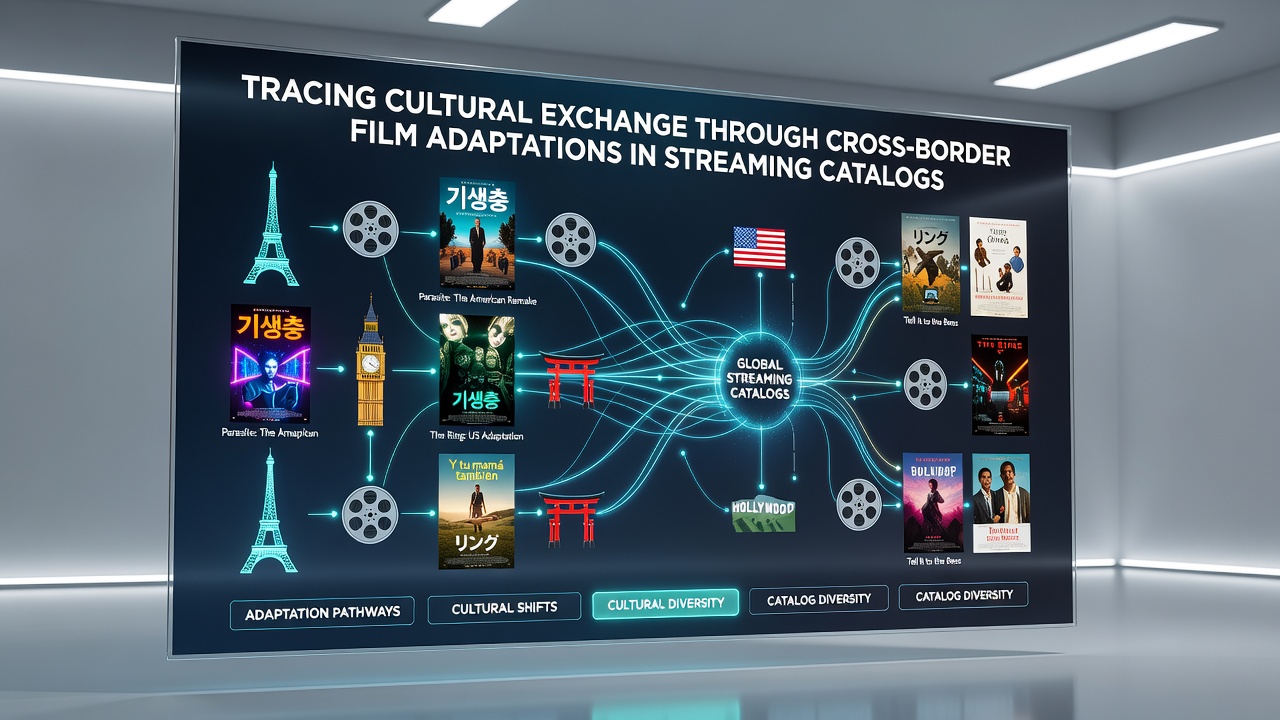
Streaming catalogs have become central hubs where cross-border film adaptations reveal patterns of cultural exchange, and these adaptations often draw from established narratives while reshaping them for new audiences across regions. Data from industry reports indicate that platforms now feature hundreds of such remakes and reinterpretations, with titles originating in Asia finding their way into Western productions and vice versa. Observers note that this flow accelerated after 2020 as services expanded international libraries, creating opportunities for viewers to encounter familiar stories filtered through different cultural lenses.
Historical Patterns in Film Adaptations Across Borders
Early examples include Hollywood's uptake of Japanese thrillers during the mid-20th century, yet the scale expanded dramatically once digital distribution took hold. Researchers at various institutions have documented how films like the original "Infernal Affairs" from Hong Kong influenced later American versions, and similar transfers occurred with European stories adapted for Asian markets. Streaming services accelerated this process by making source material readily available worldwide, which allowed creators to study and rework narratives without traditional theatrical release barriers.
By the mid-2020s catalogs routinely grouped these adaptations under recommendation algorithms that highlighted thematic connections, and users frequently encountered paired viewings such as original Korean dramas alongside their English-language counterparts. Evidence from audiovisual observatories shows that European productions increasingly incorporated elements from South American literature, while Australian filmmakers adapted Scandinavian crime stories for local contexts. These exchanges demonstrate measurable shifts in storytelling conventions rather than isolated creative choices.
Streaming Platforms as Facilitators of Cultural Flows
Platforms curate catalogs that surface adaptations from multiple regions simultaneously, and this presentation encourages viewers to trace influences across titles. According to data compiled by the European Audiovisual Observatory, cross-border remakes accounted for a growing share of original productions commissioned by major services in 2025. Catalogs now include sections or tags that connect source films with their adaptations, which helps audiences follow narrative migrations without separate research.
June 2026 saw several services update their interfaces to emphasize global content pairings, including collections that paired Thai horror adaptations with their Latin American equivalents. Industry organizations report that such features increased average viewing time for international titles by notable margins, because algorithms surfaced related content across language barriers. Those who analyze viewing patterns observe that users often progress from an adaptation back to its original after encountering both in the same session.
What's interesting is how these catalogs handle linguistic and cultural nuances during adaptation, since translators and writers must decide which elements to preserve or modify for broader appeal. Research indicates that successful cases retain core emotional structures while adjusting specific references, and this balance appears consistently across regions from East Asia to North America.
Documented Case Examples and Audience Reach
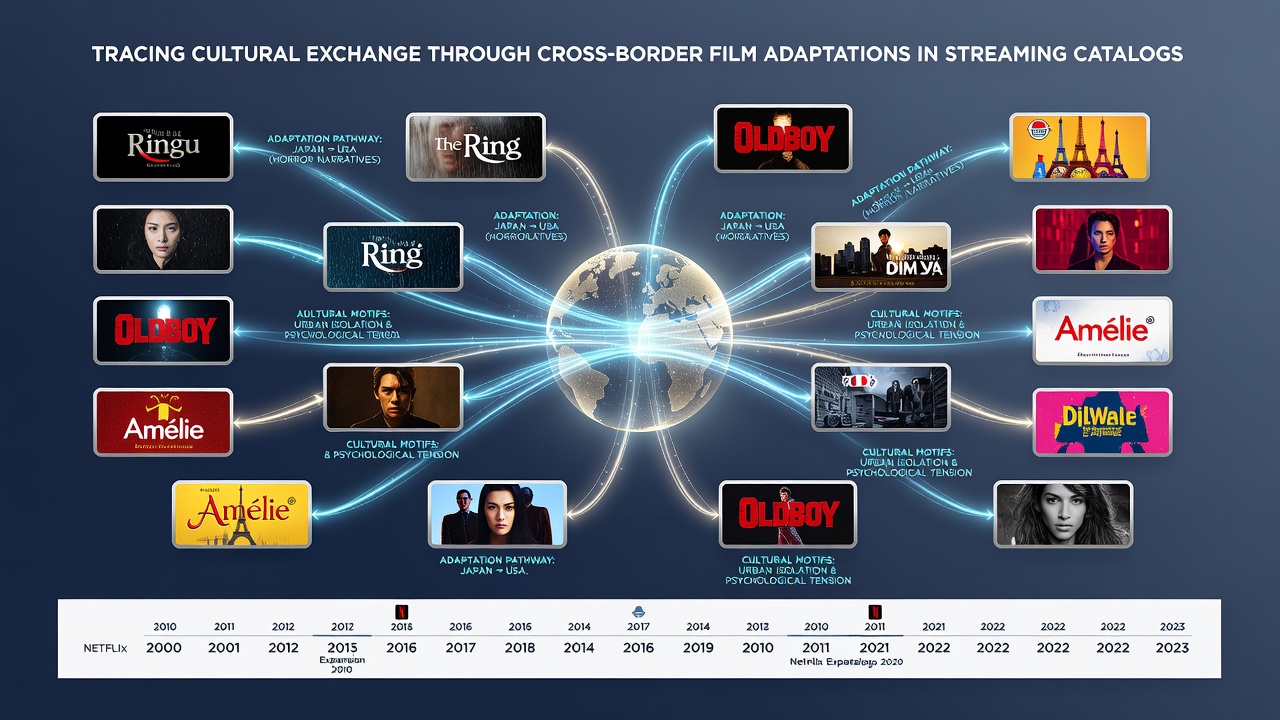
One prominent instance involves Indian novels adapted first into regional cinema and later into English-language streaming originals, while similar pathways exist for Japanese manga series that reach American series formats. Figures from academic studies reveal that such adaptations often achieve higher completion rates among younger demographics who discover source material through recommendation engines. Take the trajectory of certain French thrillers remade for Spanish-speaking audiences, where streaming metrics show sustained interest spanning multiple continents.
Another pattern emerges with Nordic crime stories that influence productions in both North America and East Asia, and catalogs now list these connections explicitly. Data shows that platforms operating across the Asia-Pacific region carry a higher density of these paired titles compared to earlier decades, which reflects expanded licensing agreements. Those who've examined catalog metadata note that tags for "based on international source material" appear more frequently as services refine their metadata systems.
Industry Reports on Exchange Metrics
Reports from organizations tracking audiovisual trade document increases in co-production deals tied to adaptation rights, and these agreements often involve partners from at least three different countries. A 2025 analysis by an Australian research body found that streaming catalogs in the Oceania region featured adaptations originating from over 40 source countries, highlighting the breadth of exchange. Such statistics align with broader trends where content licensing crosses traditional market boundaries more fluidly than physical distribution once permitted.
Yet the process involves negotiation around intellectual property frameworks that vary by jurisdiction, and services must navigate these differences when assembling global catalogs. Observers point out that successful adaptations frequently credit original creators prominently, which maintains traceability within the platform ecosystem.
Conclusion
Cross-border film adaptations within streaming catalogs continue to map ongoing cultural exchanges through concrete examples and measurable distribution patterns. As platforms refine their presentation of these connections, viewers gain clearer pathways to explore source materials alongside their reinterpretations. Research continues to track how these flows evolve, particularly as new licensing arrangements emerge in regions previously underrepresented in global catalogs. The available data supports the view that streaming services function as active participants in this exchange rather than passive distributors.