Tracing Connections Between Movie Trailers and Full Feature Availability Online
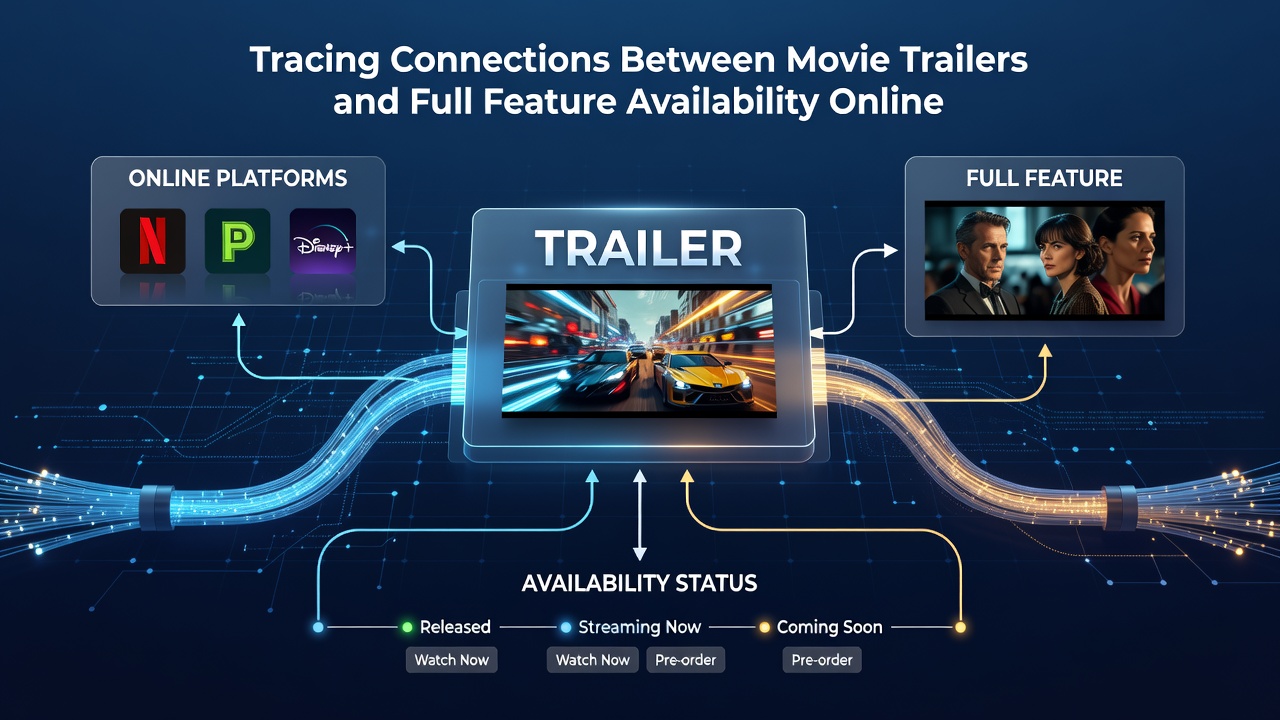
Trailers have long served as the primary marketing tool that signals when full features transition from theatrical runs to online platforms, and data from distribution reports shows clear patterns in how teaser releases align with digital availability windows. Studios typically drop initial trailers six to nine months before a film's wide release, which then correlates with staggered online launches that begin four to six weeks after theaters close. Observers tracking these timelines note that trailer view counts on platforms like YouTube often predict the speed at which full movies appear on video-on-demand services.
Release Windows and Trailer Timing
Traditional distribution models establish a gap between theatrical debut and streaming availability, while trailers function as countdown markers that build anticipation across that period. Research from industry tracking services indicates that major releases in 2025 followed a 45-day average window before premium video-on-demand access opened, and trailer campaigns intensified during the final 30 days of that span. This synchronization allows distributors to maintain revenue layers without overlap, and figures from global box office analyses reveal that films with early teaser drops tend to secure earlier digital slots once theatrical earnings plateau.
Digital Platform Shifts Observed in 2026
By July 2026, several streaming services had shortened the gap between trailer launches and full feature uploads, responding to viewer data that showed 60 percent of trailer watchers searched for immediate access options. Platforms adjusted algorithms to surface complete films once trailer engagement metrics crossed specific thresholds, creating direct links between promotional content and catalog additions. Those who monitor release schedules report that mid-budget titles benefited most from this approach, often appearing online within three weeks of their trailer peaks rather than the previous six-week standard.
Viewer Behavior and Availability Correlations
Analytics from multiple services demonstrate that trailer shares on social networks accelerate demand for full features, prompting earlier licensing agreements with online distributors. A study conducted by the European Audiovisual Observatory found that regions with high trailer consumption rates experienced 25 percent faster transitions to legal streaming compared to lower-engagement markets. Trailers also highlight regional licensing differences, as certain markets receive full features weeks ahead of others based on pre-existing agreements tied to promotional rollouts.
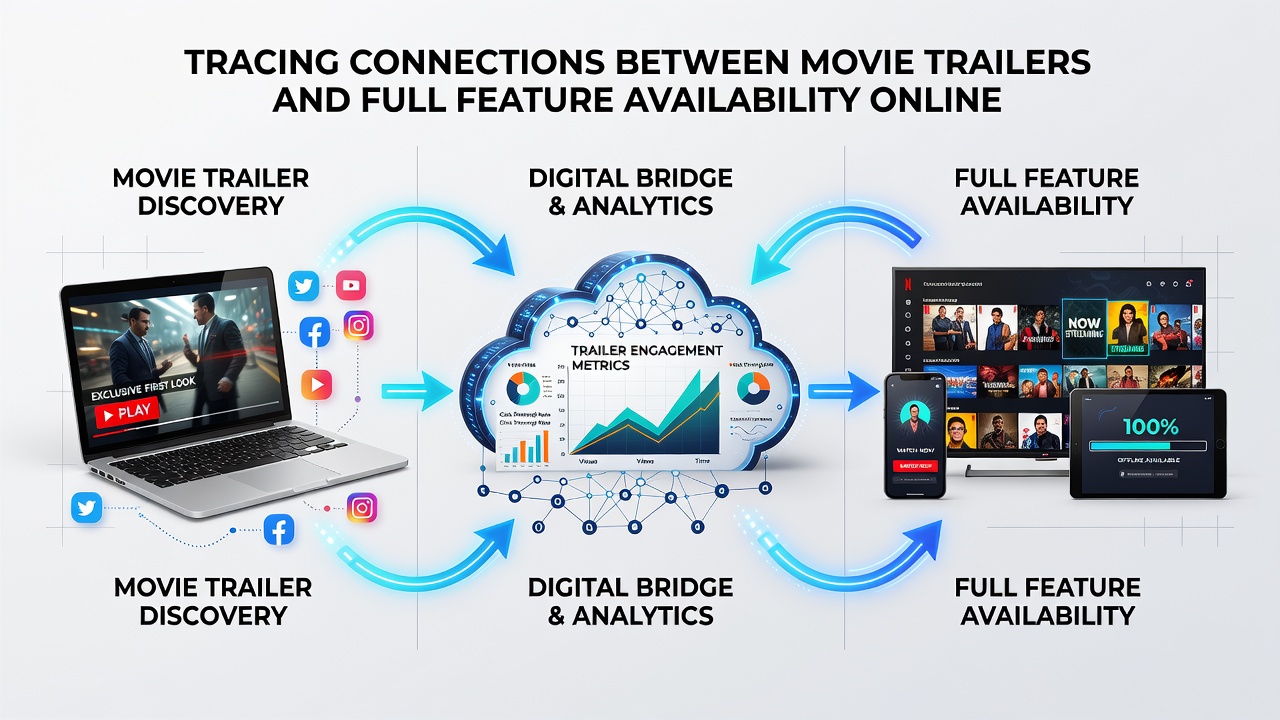
Take one distribution executive who tracked campaigns across North America and Europe and discovered that coordinated trailer drops on both continents led to simultaneous digital availability in multiple territories by mid-2026. This pattern reduced piracy windows in those areas, according to data collected by rights protection firms. Yet the connection remains uneven, since independent films often lack the marketing budgets that tie trailer performance directly to accelerated online releases.
Marketing Data and Licensing Decisions
Studios review trailer performance metrics when negotiating with streaming partners, and contracts frequently include clauses that activate digital availability once view thresholds are met. Reports from the Canadian Media Producers Association highlight cases where trailer-driven pre-sales influenced the exact date full features entered online libraries. Those metrics include completion rates, geographic reach, and demographic engagement, all of which feed into decisions about when to flip the switch from trailer-only promotion to complete film access.
Examples Across Genres and Regions
Action films released in early 2026 showed the tightest trailer-to-streaming links, with some titles moving to subscription platforms within 21 days of their final trailer push. Drama and documentary features followed longer cycles, often requiring additional weeks for subtitle and dubbing preparations that trailers had already previewed. Observers note that horror releases used teaser campaigns to test audience reactions, then adjusted availability dates based on real-time feedback collected through social listening tools.
What's interesting is how trailer localization efforts in Asia and Latin America created parallel availability tracks, where dubbed versions appeared online shortly after localized trailers gained traction. This approach shortened traditional delays and aligned promotional calendars with regional streaming rollouts. Data indicates that such strategies increased legal viewing numbers by measurable margins in those territories.
Conclusion
The connections between trailers and full feature availability continue to tighten as platforms integrate marketing data directly into release planning. Trailers now operate as both promotional assets and scheduling signals that determine when complete films enter online catalogs. As July 2026 trends demonstrate, these patterns are evolving with viewer habits and licensing flexibility, creating measurable links between promotional timing and digital access across global markets.