The Technical Evolution of Content Delivery Networks for Simultaneous Global Film Access
Written by Bianca Schulz · Aug 16, 2026
The Technical Evolution of Content Delivery Networks for Simultaneous Global Film Access
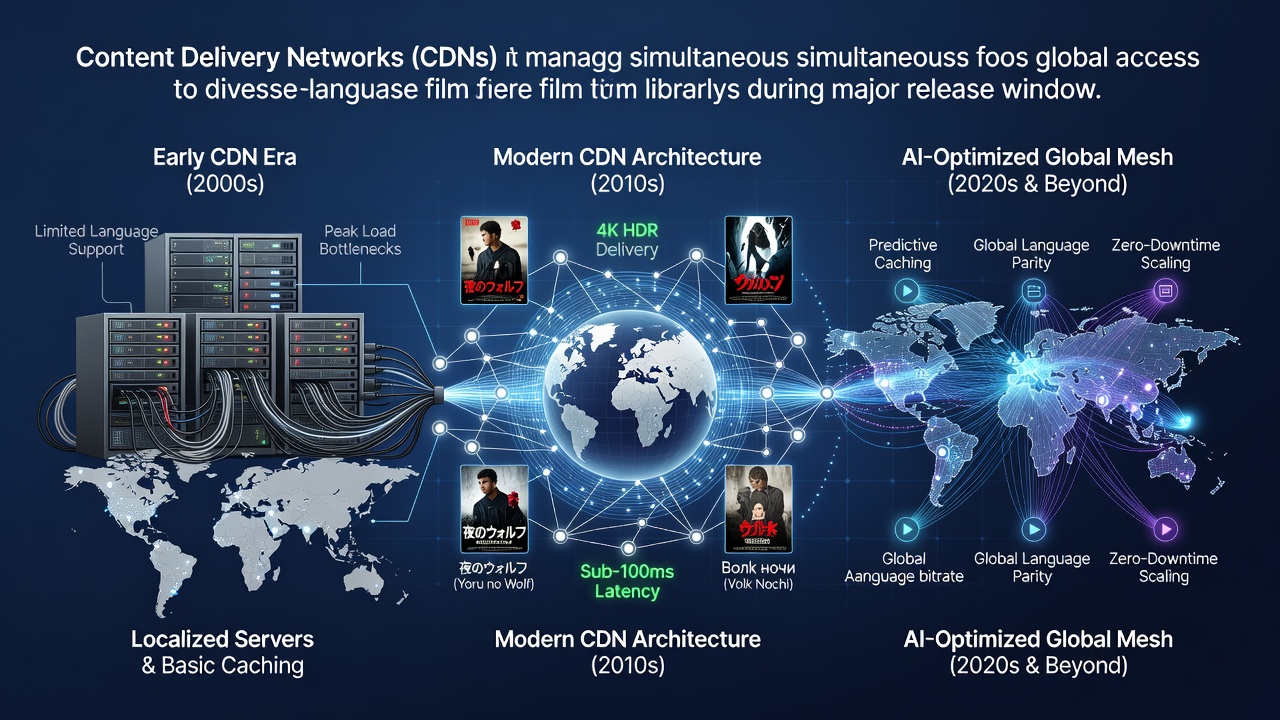
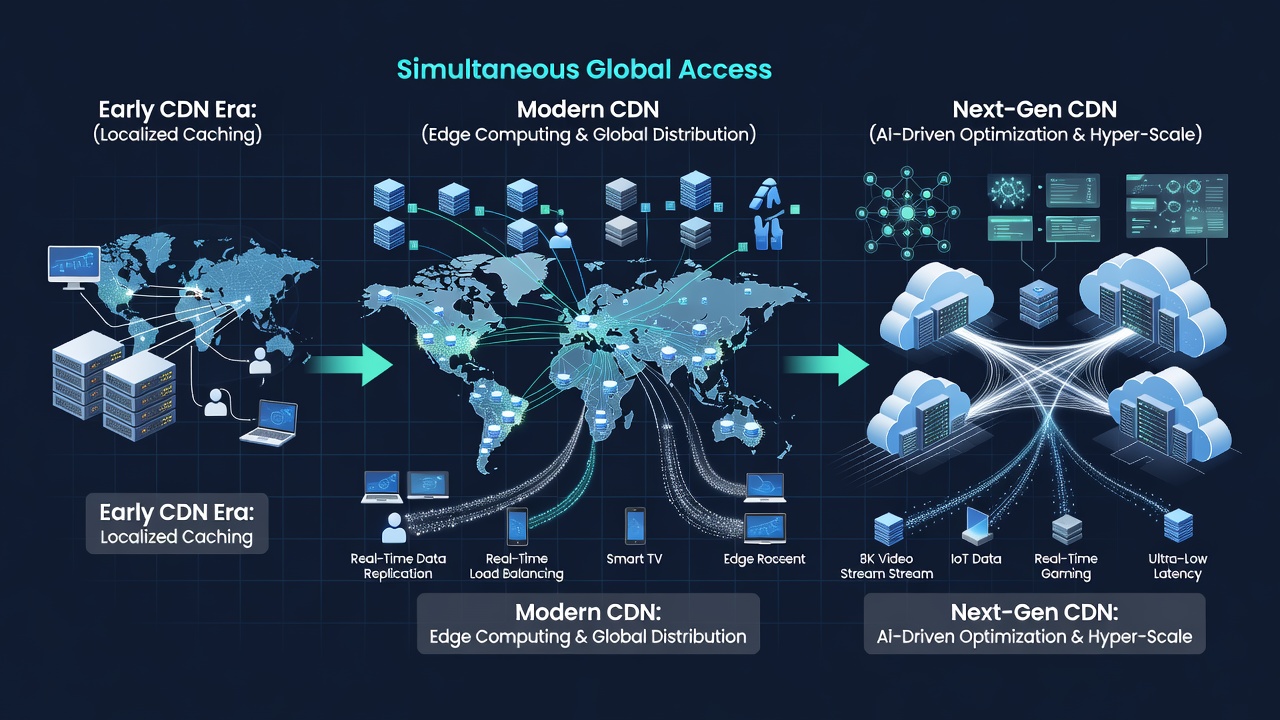
Content delivery networks have progressed from basic caching systems in the late 1990s to sophisticated infrastructures that manage simultaneous worldwide streams of films in multiple languages during high-demand release periods, and this shift reflects broader changes in internet architecture along with increasing viewer expectations for instant access across regions.
Early Development of CDN Infrastructure
Initial CDN designs focused on static content replication at edge servers located near major population centers, yet the introduction of video-on-demand services in the mid-2000s required adaptations for dynamic file delivery that included subtitle tracks and dubbed audio versions stored in regional data centers, while companies like those operating in North America expanded server clusters to reduce latency for Hollywood releases reaching audiences in Europe and Asia simultaneously.
By the early 2010s, providers integrated anycast routing protocols that directed user requests to the nearest available node based on real-time network conditions, and this approach proved essential when platforms began offering libraries containing Hindi, Tamil, and Mandarin titles alongside English-language blockbusters during synchronized global premieres.
Managing Peak Loads in Release Windows
Major film launches generate traffic spikes that can exceed normal volumes by factors of ten or more, according to industry reports from the Australian Communications and Media Authority, and CDN operators responded by deploying multi-origin architectures that pull content from primary repositories while maintaining mirrored copies at secondary locations across continents, whereas single points of failure became less common after the adoption of distributed denial-of-service mitigation tools integrated directly into the delivery stack.
Load-balancing algorithms evolved to incorporate predictive modeling based on historical release data, so systems could pre-position language-specific assets in markets where demand patterns indicated higher interest in regional cinema during August 2026 windows when several international titles launched concurrently, and this pre-caching reduced origin server strain while preserving consistent playback quality for viewers in time zones separated by twelve hours or more.
Support for Multilingual Content Libraries
Diverse language requirements introduced additional complexity because subtitle files, closed captions, and alternate audio tracks needed synchronization with primary video streams without introducing buffering delays, and researchers at Canadian universities documented how segment-based delivery formats such as HLS and DASH allowed independent fetching of language tracks from dedicated edge caches, while metadata routing ensured that a viewer in South Asia requesting a Telugu film received the appropriate localized assets rather than default English versions.
Geo-fencing combined with language preference detection further refined the process, so networks could route requests through servers optimized for specific linguistic regions without compromising overall throughput, and this capability became particularly relevant as platforms aggregated film libraries spanning Bollywood productions, European arthouse titles, and Latin American features for simultaneous worldwide availability.
Integration of Advanced Technologies
Recent advancements include machine learning models that analyze viewer behavior across time zones to forecast bandwidth allocation needs during release events, and European Commission studies on digital infrastructure highlight how these models integrate with 5G backhaul networks to maintain stable connections even when mobile traffic surges in urban centers, whereas earlier static configurations often struggled with such variability.
Edge computing nodes now perform on-the-fly transcoding for lower-bandwidth connections while preserving higher-resolution options for fiber users, and this tiered approach supports the concurrent delivery of the same title in multiple formats without requiring separate full-library replications at every location, turning what once demanded extensive manual configuration into automated processes managed through centralized orchestration platforms.
Conclusion
The progression of content delivery networks demonstrates a continuous response to the technical demands of global, multilingual film distribution during concentrated release periods, with each generation of improvements building on routing efficiency, predictive resource allocation, and format flexibility to sustain access across diverse viewer bases, and ongoing refinements in August 2026 and beyond will likely center on further integration with emerging network standards while maintaining the core objective of reliable simultaneous delivery.