Promotional Clips Shaping Consumption Habits Within High-Resolution Digital Film Archives
Written by Parker Patterson · Aug 25, 2026
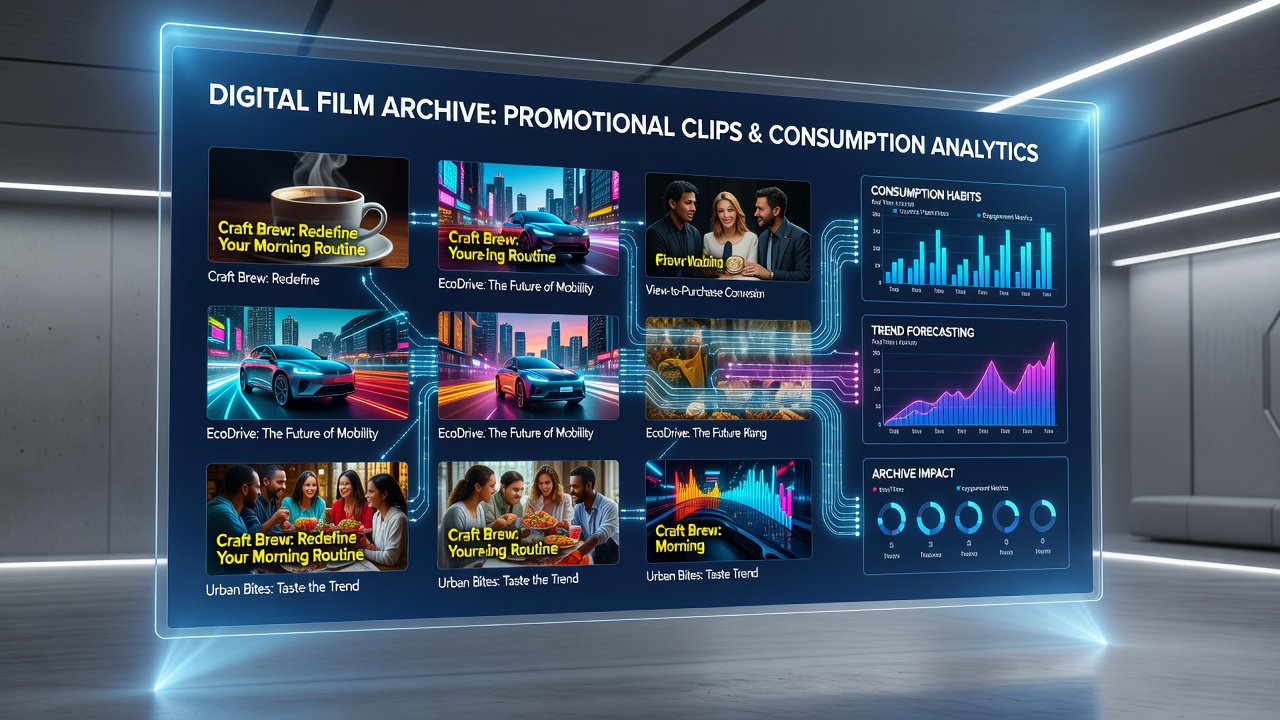
Promotional Clips Shaping Consumption Habits Within High-Resolution Digital Film Archives
High-resolution digital film archives have expanded rapidly since the early 2010s, and promotional clips now function as primary entry points that guide viewer selections across vast collections. Researchers tracking archive usage patterns report that short-form trailers, teasers, and excerpted scenes account for a growing share of initial engagements before full-length features are accessed.
Archives maintain these clips at 4K and 8K resolutions to match the technical standards of modern playback devices, which ensures that promotional materials retain the same visual fidelity as complete works. Data compiled by the International Federation of Film Archives shows that institutions in North America, Europe, and Asia-Pacific regions have standardized this approach, resulting in uniform presentation quality across geographic boundaries.
Technical Infrastructure Supporting Clip Distribution
Digital preservation systems integrate metadata tagging directly into promotional clips so that search algorithms surface relevant excerpts based on genre, era, and director credits. When users encounter these tagged clips, consumption sequences often follow predictable paths where one short video leads to related archive holdings. Observers note that this linkage structure emerged more clearly after major archives upgraded their platforms in 2024 and 2025.
August 2026 brought additional platform updates that synchronized clip playback with recommendation engines, allowing archives to surface previously under-viewed titles from their back catalogs. Figures released by the National Film and Sound Archive of Australia indicate that clip-driven referrals increased by measurable percentages during that period, particularly for regional cinema holdings that had previously received limited exposure.
Viewer Behavior Patterns in Archive Environments
Studies conducted by university media labs demonstrate that individuals who begin sessions with promotional clips spend extended time browsing within the same thematic clusters. For example, a clip highlighting a classic drama frequently directs attention toward other period pieces stored in the same collection, creating self-reinforcing viewing loops. These patterns appear consistent across desktop, mobile, and smart television interfaces.
High-resolution rendering plays a role because viewers report fewer interruptions when clips maintain visual clarity comparable to full features. Institutions that adopted adaptive bitrate streaming for promotional materials observed higher completion rates, which in turn correlated with increased requests for the associated complete titles.

Consumption data further reveals that clip length influences subsequent decisions. Clips running between 60 and 90 seconds tend to generate higher follow-through rates than shorter 30-second versions or longer 3-minute excerpts, according to internal metrics shared by several European national archives. This duration sweet spot allows sufficient context while respecting attention constraints typical of online navigation.
Regional Variations and Institutional Approaches
North American archives emphasize user-generated clip playlists that encourage community curation, whereas institutions in the European Union prioritize editorial selections tied to cultural preservation mandates. Both approaches rely on the same high-resolution encoding standards yet produce distinct consumption flows. Canadian heritage collections, for instance, integrate clips with bilingual metadata to serve diverse linguistic audiences.
Academic analyses published through the University of Toronto’s media research programs document how these regional differences affect cross-border access patterns. Researchers found that users in one jurisdiction frequently discover titles originating elsewhere through algorithmically promoted clips rather than direct searches, expanding the geographic reach of individual archive holdings.
Future Trajectories Through 2026 and Beyond
Platform operators continue refining clip personalization based on aggregate viewing histories while maintaining compliance with data protection frameworks established in multiple jurisdictions. The August 2026 updates referenced earlier incorporated additional controls that let users adjust recommendation sensitivity, which has already begun influencing how promotional materials reach different demographic segments.
Archivists anticipate that emerging compression techniques will allow even higher resolution clips without proportional increases in storage demands. These technical advances are expected to support more granular segmentation of promotional content, further embedding clips as central nodes within consumption pathways across global digital film collections.
Conclusion
Promotional clips have become integral components of high-resolution digital film archives, directing attention and shaping sequences of engagement through metadata, resolution standards, and algorithmic linkages. Evidence from multiple regions shows measurable effects on how users discover and consume archive materials, with patterns that continue evolving alongside platform enhancements scheduled through late 2026.