Melodic Cues Guiding Cross-Cultural Discoveries in Global Ad-Supported Visual Media Libraries
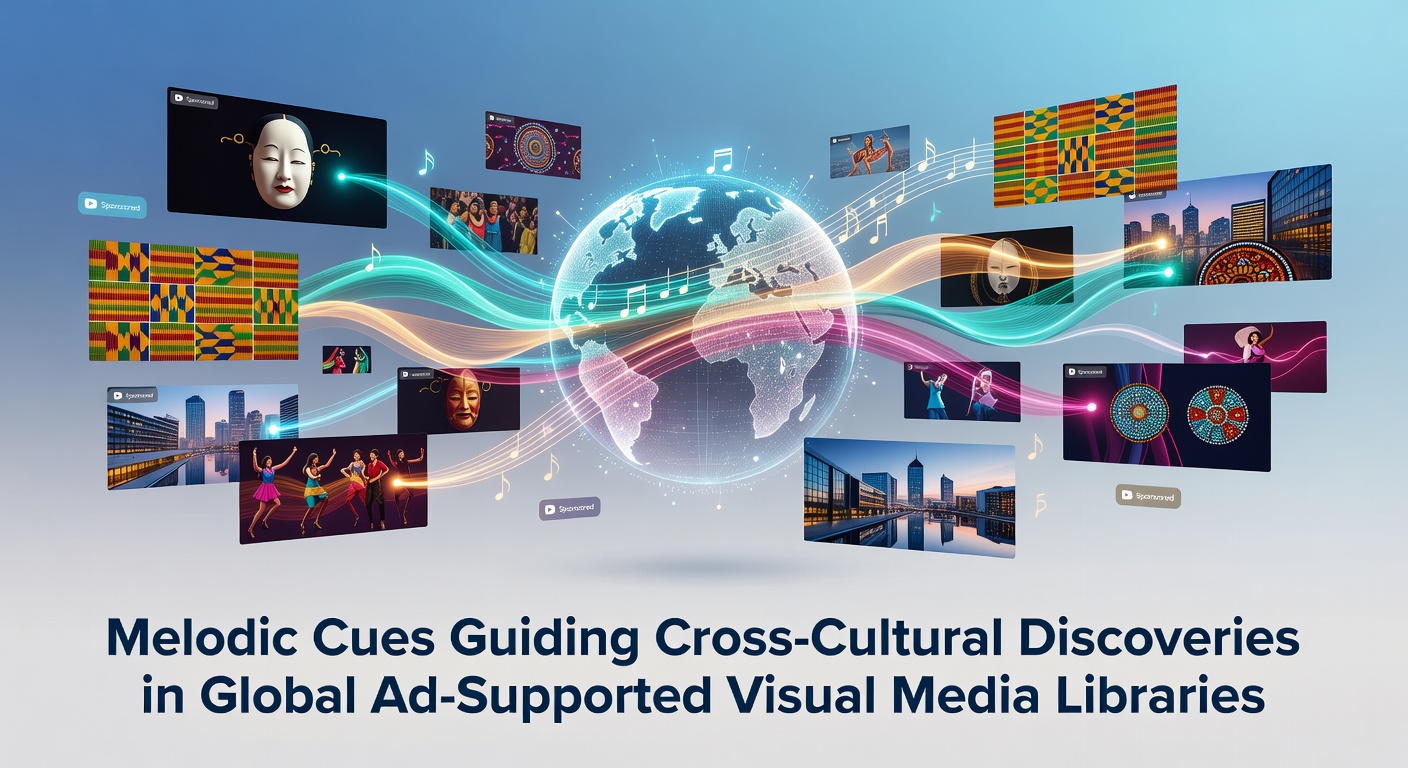
Researchers have documented how melodic elements in promotional content and embedded soundtracks direct user navigation through extensive catalogs on ad-supported streaming services worldwide, and these patterns have accelerated since the expansion of free visual media libraries in multiple regions. Data from industry analyses shows that audio cues often prompt selections from unfamiliar cultural contexts because melodies bypass language barriers that typically limit text-based searches, while platforms integrate these signals into recommendation flows that connect regional productions with broader audiences.
Audio Elements as Discovery Mechanisms
Studies conducted across digital media platforms indicate that soundtracks and trailer music increase engagement rates by highlighting thematic similarities between productions from different countries, and users frequently follow these auditory pathways when exploring libraries that feature ad-supported access models. According to findings compiled by academic groups at institutions monitoring global content consumption, melodic repetition in short promotional clips correlates with higher completion rates for full titles originating outside a viewer's primary language group, whereas visual-only promotions show lower cross-over metrics in the same datasets.
Platforms operating without subscription fees rely on these cues to maintain viewer retention because advertisements alone do not always sustain interest across extended sessions, yet integrated music fragments create immediate emotional links that encourage further exploration within the same session or across subsequent visits. Evidence gathered from usage logs reveals that tracks incorporating traditional instruments from one region often surface selections featuring comparable instrumentation from another region, creating discovery chains documented in multiple platform reports.
Global Patterns in Music-Driven Navigation
Observers tracking ad-supported services note that melodic cues appear particularly effective in regions where linguistic diversity limits direct title searches, and library interfaces now embed audio previews alongside standard thumbnails to capitalize on this behavior. In June 2026 platform updates expanded these preview functions across several major services, resulting in measurable shifts toward content from Asian and European catalogs among North American and Australian users according to aggregated metrics released by research consortia.
One analysis of viewer pathways demonstrated that exposure to a single melody segment increased the probability of selecting a non-local title by measurable percentages, while repeated exposure through algorithmic placement reinforced these patterns over time. Those monitoring cross-border trends have identified consistent clusters where specific genres of music align with higher migration between libraries containing content from India, South Korea, and Latin American producers, although the exact causal factors continue to undergo refinement in ongoing studies.

Platform Integration and Library Architecture
Ad-supported visual media libraries organize content through layered tagging systems that incorporate audio metadata alongside genre and regional labels, allowing melodic matches to surface recommendations that span national boundaries. Service operators have adjusted these systems based on performance data showing that users respond to shared musical motifs even when narrative structures differ substantially, and this approach supports sustained catalog growth without proportional increases in marketing spend.
Reports from organizations such as the OECD digital economy unit highlight how these architectural choices affect content visibility in markets with varying levels of digital infrastructure, whereas academic reviews from Canadian research centers emphasize the role of soundtrack databases in facilitating equitable exposure for smaller production industries. The combination of these factors produces navigation experiences where a melody encountered in one context reliably directs attention toward related material in another.
Regional Variations and Data Trends
Usage statistics compiled through 2026 indicate stronger melodic influence on discovery patterns in markets with established free streaming adoption, while emerging regions show parallel but distinct trajectories tied to local music traditions. Figures released by Australian communications authorities document elevated selection rates for titles accompanied by hybrid soundtracks blending Western and non-Western elements, and similar patterns appear in European Union media monitoring summaries that track audience movement between ad-supported catalogs.
Library operators continue to refine cue placement based on these regional datasets because melodic signals demonstrate consistent performance across demographic segments when compared against purely visual or textual prompts. Research teams examining these dynamics have noted that the effect persists even when users access content through mobile interfaces that prioritize quick audio sampling over detailed descriptions.
Conclusion
Melodic cues function as structural components within the discovery architecture of global ad-supported visual media libraries, and ongoing data collection confirms their contribution to cross-cultural content selection. Platform adjustments scheduled after June 2026 are expected to build on existing patterns by incorporating more granular audio tagging, which researchers anticipate will further map connections between regional productions through shared musical characteristics. These developments reflect measured responses to documented user behavior rather than speculative design choices.