How Subtitle Synchronization Challenges Influence Emotional Resonance in Dubbed Versions of Recent Cross-Cultural Film Productions
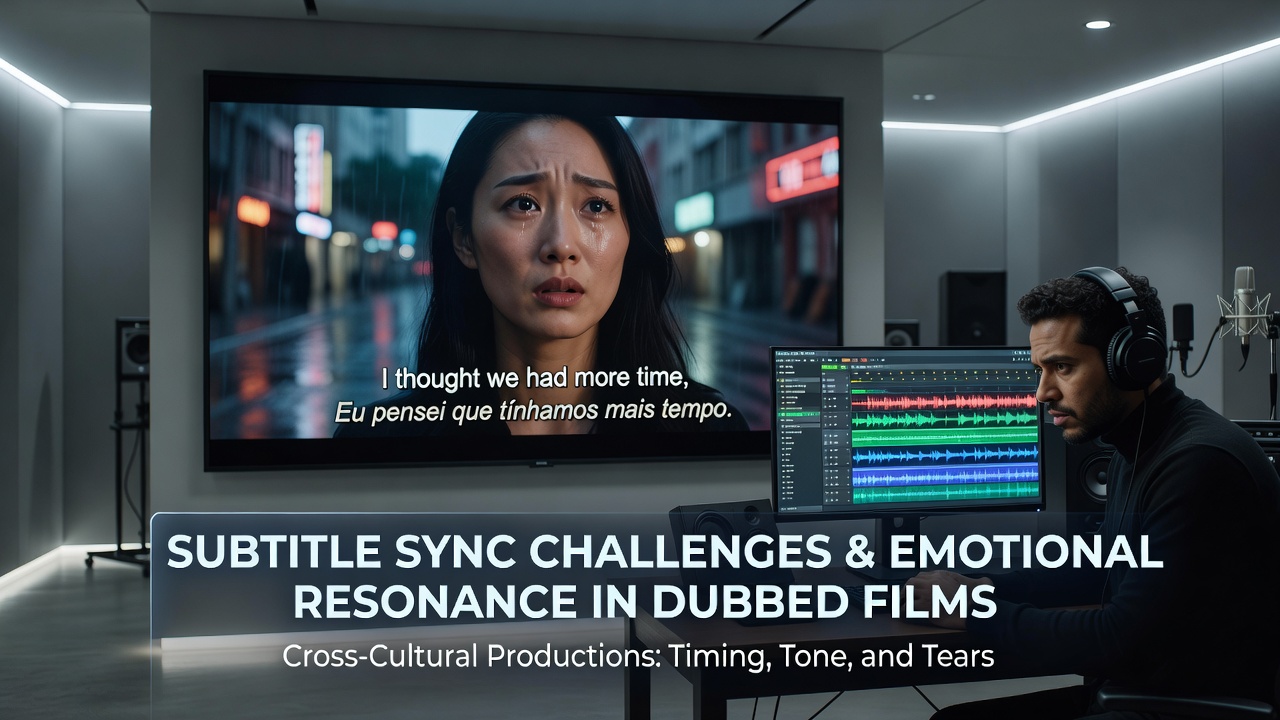
Subtitle synchronization challenges arise when text translations fail to align precisely with spoken dialogue and visual cues in dubbed films, and these mismatches alter how audiences experience emotional beats across cultural boundaries. Research from audiovisual translation studies shows that delays of even 500 milliseconds can shift the impact of key moments like confessions or confrontations in productions that cross from Asian markets to Western releases or vice versa. Data from multiple international film festivals indicate that such issues appear more frequently in films with rapid dialogue exchanges or layered cultural idioms that resist direct translation.
Technical Aspects of Synchronization in Dubbing Processes
Professionals in post-production adjust audio tracks and subtitle timings to match lip movements while preserving original pacing, yet cross-cultural projects introduce variables like differing sentence structures between source and target languages. Observers note that languages with longer compound words often require extended display times for subtitles, which then overlap with subsequent emotional reactions on screen. According to reports from the European Audiovisual Observatory, synchronization errors increase when teams handle simultaneous dubbing and subtitling for simultaneous global releases, particularly in titles that blend multiple narrative traditions.
Software tools attempt to automate frame-accurate placement, but human reviewers still intervene to correct cultural nuances that automated systems miss. Those who've examined recent workflows find that July 2026 brought new protocols from several studios testing AI-assisted timing corrections on films scheduled for multilingual distribution, and these tests revealed persistent gaps in conveying subtle tonal shifts during high-stakes scenes.
Effects on Viewer Emotional Engagement
Emotional resonance depends on precise timing between visual expressions, vocal inflections, and on-screen text, and when synchronization falters the connection between character and audience weakens. Studies indicate that mismatched subtitles can flatten tension during suspense sequences because viewers split attention between reading delayed text and processing facial cues, leading to reduced physiological responses like increased heart rate. Researchers at institutions focused on media psychology have documented cases where dubbed versions of cross-cultural dramas showed lower audience retention during pivotal emotional peaks compared to original language screenings.
Take one production from 2025 that moved from Korean origins to multiple European markets, where subtitle lags during a family reconciliation scene caused measurable drops in reported empathy scores among test groups. Data collected through eye-tracking equipment demonstrates that viewers spend extra seconds re-reading out-of-sync lines, which interrupts the flow of sorrow or joy intended by directors.
Case Examples from Recent Cross-Cultural Releases
Recent films illustrate these dynamics clearly, including action-dramas and literary adaptations that travel between continents. One study revealed that a 2024 Japanese title adapted for English-speaking territories encountered repeated subtitle overlaps during rapid-fire arguments, and audience surveys reflected diminished emotional investment in character relationships. Another example involves a Brazilian production dubbed into several Asian languages where cultural idioms required extended subtitle frames, shifting the rhythm of comedic relief and thereby altering audience laughter patterns documented in theater analytics.
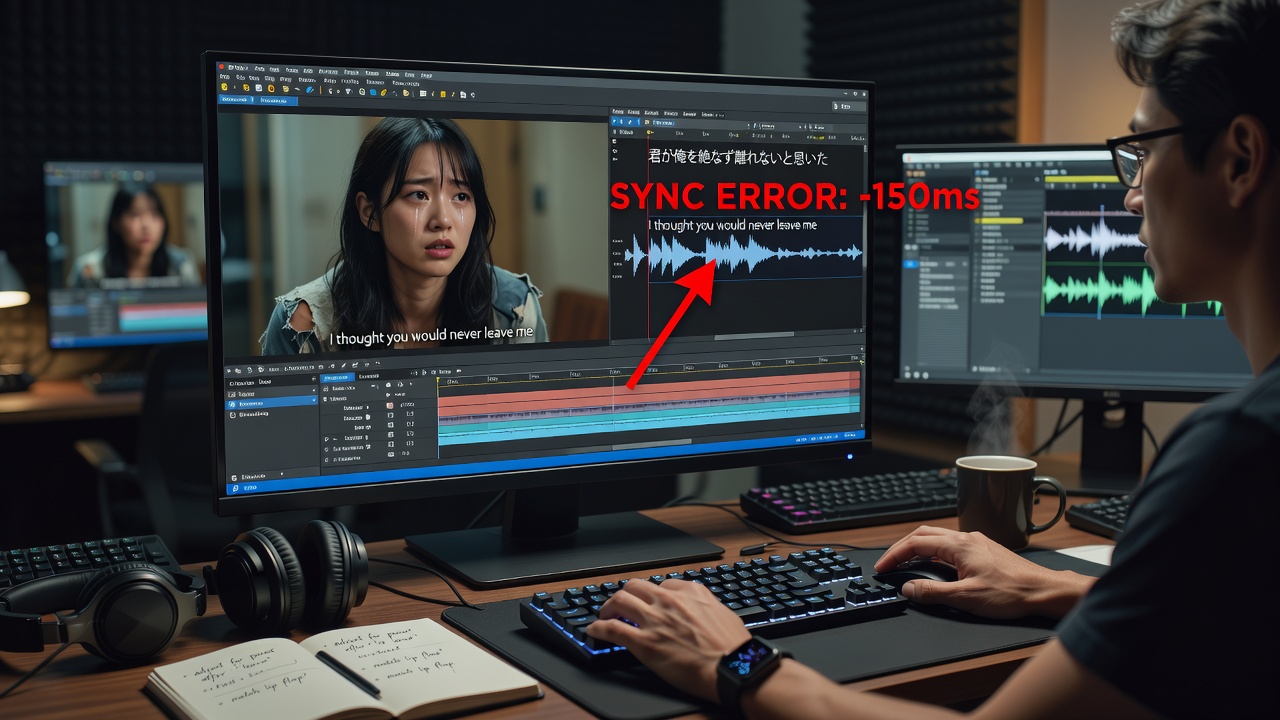
Those examining festival feedback from 2025 and early 2026 screenings note similar patterns in titles that feature bilingual characters or mixed-language households, where subtitle timing must accommodate both dubbed voices and original audio remnants. Industry reports highlight that productions released around July 2026 incorporated revised synchronization standards following earlier complaints, yet implementation varies by region and budget constraints.
Broader Industry Responses and Research Findings
Academic papers on audiovisual translation emphasize the role of cultural context in subtitle design, and findings suggest that emotional resonance suffers most when translators prioritize literal accuracy over rhythmic fit. According to a collaborative report involving Canadian media researchers and Australian film institutes, cross-cultural dubs benefit from extended testing phases that incorporate viewer feedback on emotional impact, although resource limitations often shorten these stages. What's interesting is how regional regulatory bodies in different markets now request synchronization metrics as part of content approval processes for dubbed imports.
Additional evidence from university-led experiments shows that improved subtitle placement correlates with higher self-reported connection to characters, particularly in genres relying on nuanced interpersonal dynamics rather than overt action. Observers note that collaborative efforts between translators, sound engineers, and directors have begun addressing these issues more systematically in upcoming projects.
Conclusion
Subtitle synchronization challenges continue to shape how dubbed cross-cultural films transmit emotional resonance, with timing discrepancies affecting audience immersion across diverse markets. Research indicates that ongoing refinements in production techniques and testing protocols address some of these hurdles, while persistent linguistic and cultural differences require sustained attention from industry participants. Data from recent releases and academic inquiries provide measurable insights into these interactions, guiding future approaches to multilingual film distribution.