How Regional Dubbing Archives Shape Cross-Industry Film Discoverability Through Coordinated Platform Partnerships

Regional dubbing archives maintain extensive libraries of localized audio tracks that align with original film productions from multiple countries, and these collections influence how audiences locate content across different entertainment sectors. Coordinated partnerships between streaming services, production studios, and archive operators facilitate broader indexing of dubbed versions, which in turn supports discoverability for titles that span Bollywood, Hollywood, and European cinema markets.
Archive Structures and Their Role in Content Localization
Organizations that curate dubbed materials often categorize holdings by language variant, release date, and original production source, which creates searchable metadata layers that platforms integrate into recommendation engines. Researchers at academic institutions have documented how these metadata systems connect regional language versions to global catalogs, allowing algorithms to surface titles that users might otherwise overlook when searching in their primary language.
Studies indicate that dubbing archives preserve not only audio files but also subtitle alignments and cultural adaptation notes, elements that platforms incorporate when expanding regional offerings. One study revealed that coordinated data sharing between archives and services leads to improved search result relevance for cross-industry queries, such as those linking Tamil cinema releases with English-language action films.
Platform Partnerships Driving Discoverability
Streaming providers establish formal agreements with dubbing archives to gain access to updated language tracks and associated rights clearances, processes that accelerate the addition of localized films to international libraries. In July 2026 several major platforms expanded these arrangements to include automated metadata syncing, which reduced the time required to make dubbed content searchable across multiple regions.
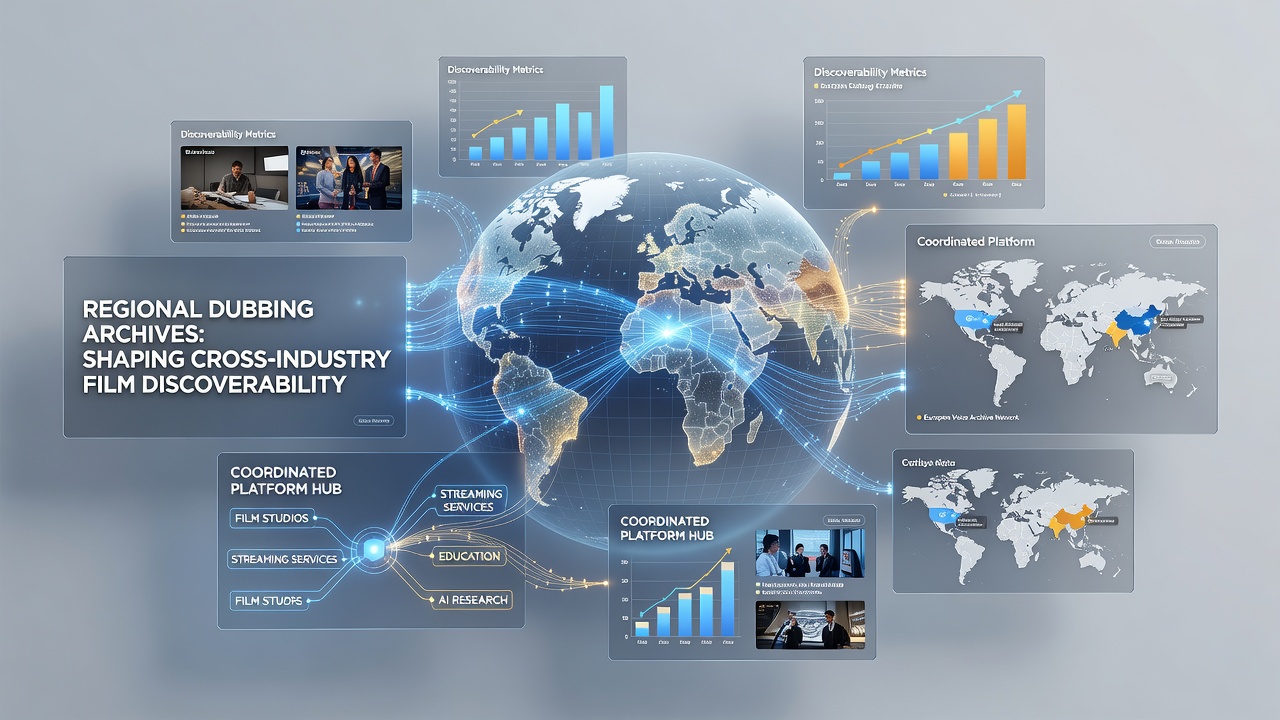
These collaborations extend beyond simple file transfers, because they involve joint development of tagging standards that connect films from distinct industries. Data shows that services participating in such partnerships report higher user engagement rates for non-native language titles when archive-sourced metadata feeds into their discovery tools.
Cross-Industry Effects on Audience Reach
Films originally produced in one market gain visibility in others when dubbed versions enter shared platform ecosystems, and archive partnerships provide the foundational infrastructure for this exchange. Observers note that coordinated efforts between European film institutes and Asian streaming networks have enabled titles from both regions to appear in unified search results, increasing exposure for lesser-known productions.
Figures from industry reports reveal measurable growth in cross-genre recommendations following archive integrations, particularly when platforms link dubbed horror films from one country with action releases from another. Those who've examined these patterns find that metadata consistency across partnered services plays a central role in sustaining long-term discoverability gains.
Technical Mechanisms Behind Coordinated Access
Archive operators supply APIs that allow platforms to pull updated dubbing records in real time, while platforms contribute usage analytics that inform future localization priorities. This bidirectional exchange supports dynamic catalog adjustments, ensuring that regional versions remain accessible even as rights or distribution agreements evolve. Experts have observed that standardized data formats adopted through these partnerships minimize duplication errors and improve overall search accuracy for multilingual users.
Additional layers include rights management protocols embedded within the archive-platform interface, which verify clearance status before content appears in recommendations. Research indicates these safeguards contribute to sustained availability of cross-industry titles without legal interruptions.
Future Developments in Archive-Platform Integration
Emerging standards for artificial intelligence-assisted metadata generation are being tested within existing partnership frameworks, with pilot programs focusing on automated language variant detection. These advancements build on established dubbing archives to further streamline discoverability processes across film sectors. Data from ongoing trials suggests continued expansion of searchable connections between regional productions and global audiences.
Conclusion
Regional dubbing archives function as central nodes in networks of platform partnerships that enhance film discoverability across industries. Through structured metadata sharing, coordinated rights handling, and technical integrations, these systems connect localized versions of productions to wider user bases while maintaining factual records of language adaptations and release histories. Continued development of these arrangements supports ongoing access to diverse cinematic content without reliance on subjective interpretations of market trends.