Exploring Archival Restoration Techniques Applied to Classic Films for Modern Digital Viewership
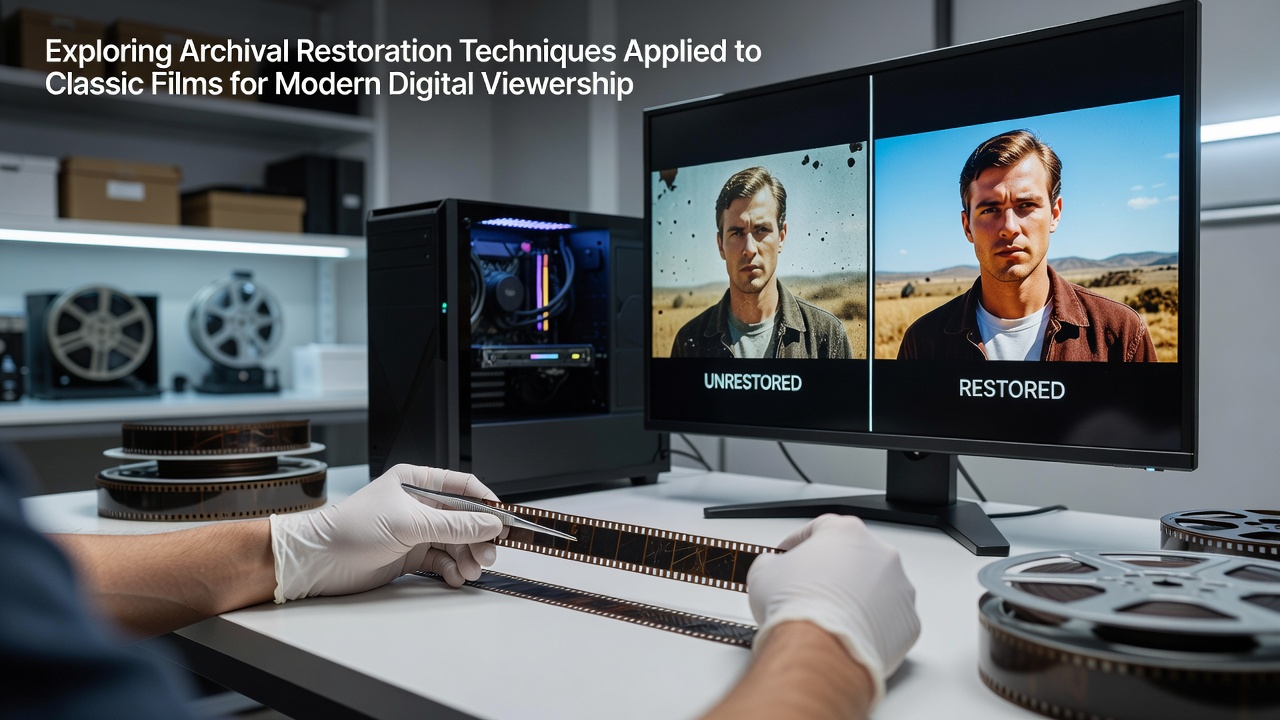
Classic films from the early to mid-20th century reach modern audiences through systematic restoration processes that convert physical reels into high-resolution digital formats, and these methods address degradation issues such as scratches, color fading, and frame instability while preserving the original artistic intent. Observers note that archives worldwide apply standardized protocols developed by institutions like the Library of Congress to handle nitrate-based stock and acetate prints that deteriorate over decades of storage.
Initial Assessment and Digital Scanning Procedures
Restoration teams begin with a detailed evaluation of surviving elements, including camera negatives, interpositives, and release prints, before transferring content to digital files through high-resolution scanners that capture up to 8K detail from 35mm or 16mm originals. Researchers discovered that wet-gate scanning reduces visible scratches by immersing film in a liquid medium during capture, and this technique proves essential for titles where physical damage accumulated during repeated theatrical runs. Data from the National Film and Sound Archive of Australia indicates that such scanning captures every frame at consistent intervals to avoid jitter when the material later streams at variable frame rates on contemporary platforms.
Cleaning, Repair, and Frame-by-Frame Correction
Once scanned, technicians apply automated and manual cleaning algorithms that detect dust particles and chemical stains, then replace affected pixels with interpolated data from adjacent frames while maintaining grain structure. Studies conducted at the University of California, Los Angeles film archive show that combining optical and digital repair yields measurable improvements in image stability, and professionals often work section by section to align mismatched shots caused by reel splices. In cases where entire sequences exist only in lower-quality duplicates, restorers integrate elements from multiple sources to create a unified master that supports modern playback without introducing new artifacts.
Color Grading and Contrast Restoration for Digital Displays
Colorists reference original camera notes, production stills, and surviving three-strip Technicolor prints to recreate intended palettes, adjusting contrast curves so that highlights and shadows register correctly on LED and OLED screens rather than the projection surfaces of the original era. Evidence from European film laboratories reveals that HDR grading extends dynamic range for titles originally shot on black-and-white stock, allowing subtle tonal variations to emerge that earlier prints could not convey. These adjustments occur under calibrated monitors that simulate both theatrical and home viewing environments, ensuring consistency across distribution channels.
Audio Synchronization and Noise Reduction
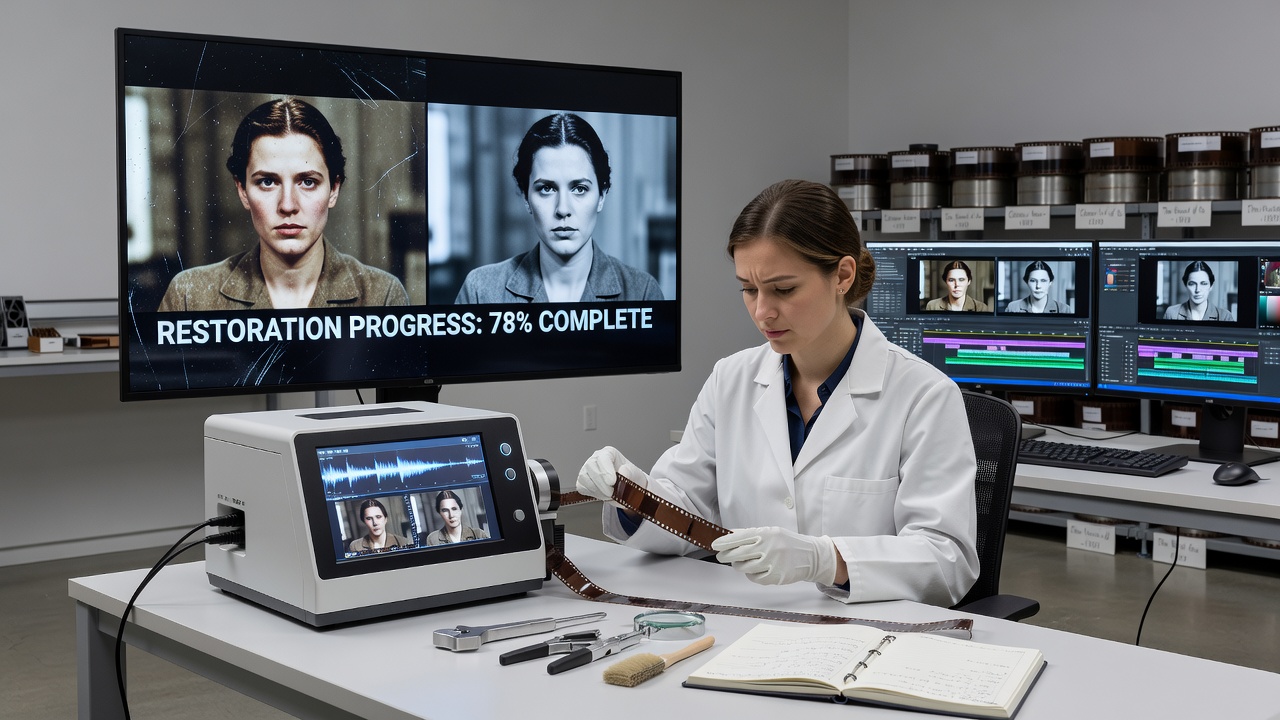
Soundtracks receive parallel treatment through optical track scanning followed by digital noise reduction that isolates dialogue from surface hiss and crackle, and engineers re-sync the resulting tracks to picture using timecode references established during the initial transfer. Archives report that multi-channel remixing for surround systems occurs only when original stems survive, otherwise preserving the mono or stereo configuration recorded at the time of production. June 2026 marks the scheduled completion of several ongoing projects at major American and Canadian institutions that will deliver newly restored audio elements for streaming services.
Aspect Ratio Preservation and Modern Platform Adaptation
Restorers maintain the original aspect ratios during mastering, yet they also prepare pillarboxed or letterboxed versions that display properly on widescreen consumer devices without cropping essential visual information. Metadata embedded in the final files includes frame-rate specifications and safe-area markers that streaming encoders reference automatically, and this preparation prevents unintended distortion when files reach tablets, smart televisions, and mobile applications. Those who have examined distribution logs observe that properly prepared masters reduce viewer complaints about formatting errors compared with earlier digital transfers that lacked such standardization.
Quality Control and Long-Term Digital Preservation
Final quality checks involve projection tests on multiple device types along with peer review by archivists who compare restored sequences against reference materials, and any discrepancies trigger additional passes before files receive checksum verification for archival storage. Institutions store both the finished deliverables and the intermediate data layers so that future technologies can revisit decisions made with current tools, and this layered approach supports ongoing access as codecs evolve. Figures released by international preservation bodies demonstrate that digital masters created through these combined techniques remain viable for repeated remastering cycles without cumulative quality loss.
Conclusion
Archival restoration bridges the gap between fragile physical artifacts and the demands of contemporary digital distribution by combining precise scanning, targeted repair, calibrated color work, and platform-specific formatting. These established methods allow classic titles to reach new generations while retaining historical accuracy, and continued investment in both equipment and training ensures that additional films become available through the same rigorous pipeline in the years ahead.