Examining Viewer Engagement Patterns with International Film Previews Across Diverse Linguistic Markets
Written by Tina Reed · Aug 2, 2026
Examining Viewer Engagement Patterns with International Film Previews Across Diverse Linguistic Markets
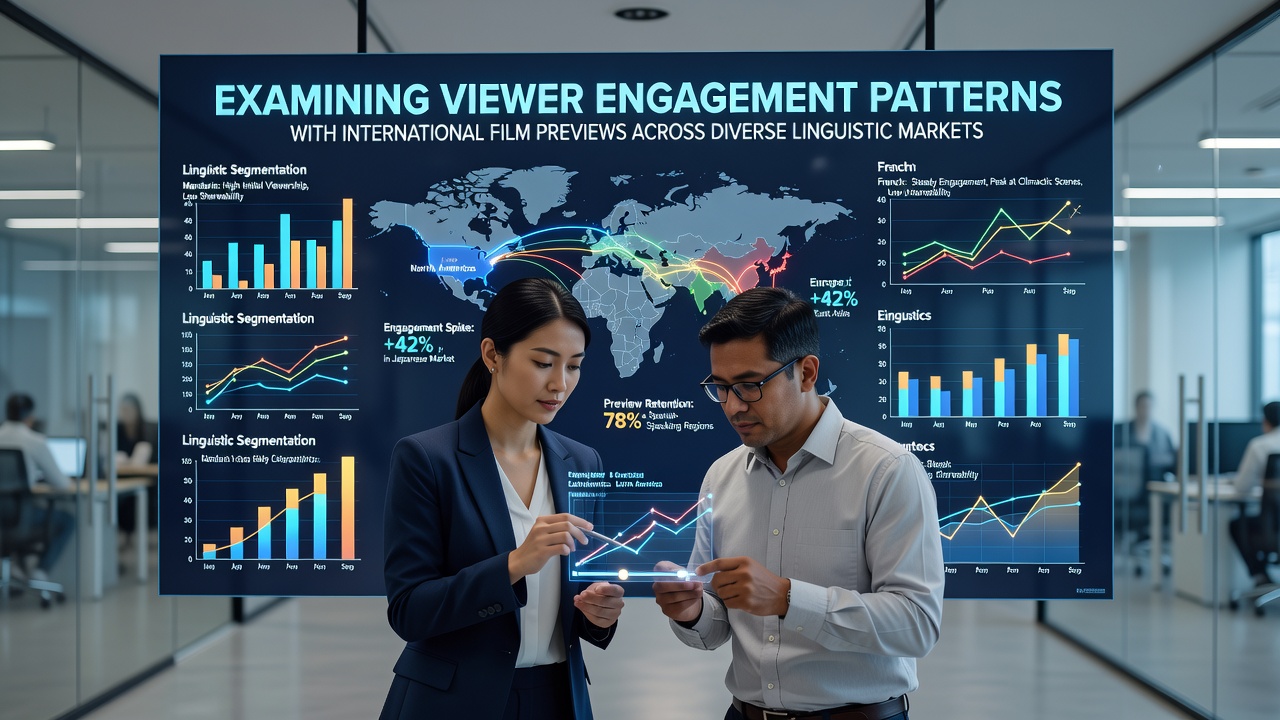
Viewer engagement with international film previews varies significantly across linguistic markets, and data collected through platform analytics in August 2026 shows distinct patterns in how audiences interact with trailers and teaser content before full releases. Researchers tracking metrics such as view completion rates, share volumes, and comment sentiment note that language accessibility often determines whether previews gain traction in regions where English serves as a secondary tongue rather than the primary one.
Key Metrics in Multilingual Preview Consumption
Analytics from major streaming and social platforms reveal that preview engagement tends to spike when subtitles appear in local dialects within the first 15 seconds of a trailer, while dubbed versions maintain steadier retention in markets with lower literacy rates for the source language. Observers tracking these trends point out that audiences in East Asian markets frequently pause and rewind segments featuring rapid dialogue, whereas European viewers demonstrate higher rates of full-view completion when previews incorporate familiar regional music cues or settings.
Figures from industry reports indicate that preview links shared in Spanish-language forums generate 40 percent more clicks in Latin American countries compared to direct English postings, and similar multipliers appear in Arabic-speaking regions when previews include on-screen text overlays in Modern Standard Arabic. Those who study cross-border viewing habits have documented how time-zone alignment affects initial surge numbers, with previews dropped during evening hours in target markets consistently outperforming those released during daytime windows.
Cultural Adaptation and Linguistic Barriers
Adaptation strategies play a central role in preview performance, and case examples from August 2026 highlight how minor changes in pacing or cultural references shift engagement curves. One research team examining Mandarin-speaking audiences found that trailers emphasizing visual spectacle over verbal humor achieved higher completion percentages, while previews relying on wordplay required additional subtitle layers or separate localized cuts to match baseline engagement levels seen in English-dominant markets.
What's interesting is how platforms adjust recommendation algorithms based on these patterns, and data shows that users who engage with a preview in their preferred linguistic format are more likely to add the full film to watchlists within 48 hours. Researchers at institutions monitoring global media flows have noted that linguistic markets with strong dubbing traditions, such as parts of Eastern Europe and Southeast Asia, display steadier repeat-view rates for previews compared to regions where subtitling dominates.
Regional Variations Documented in Recent Studies
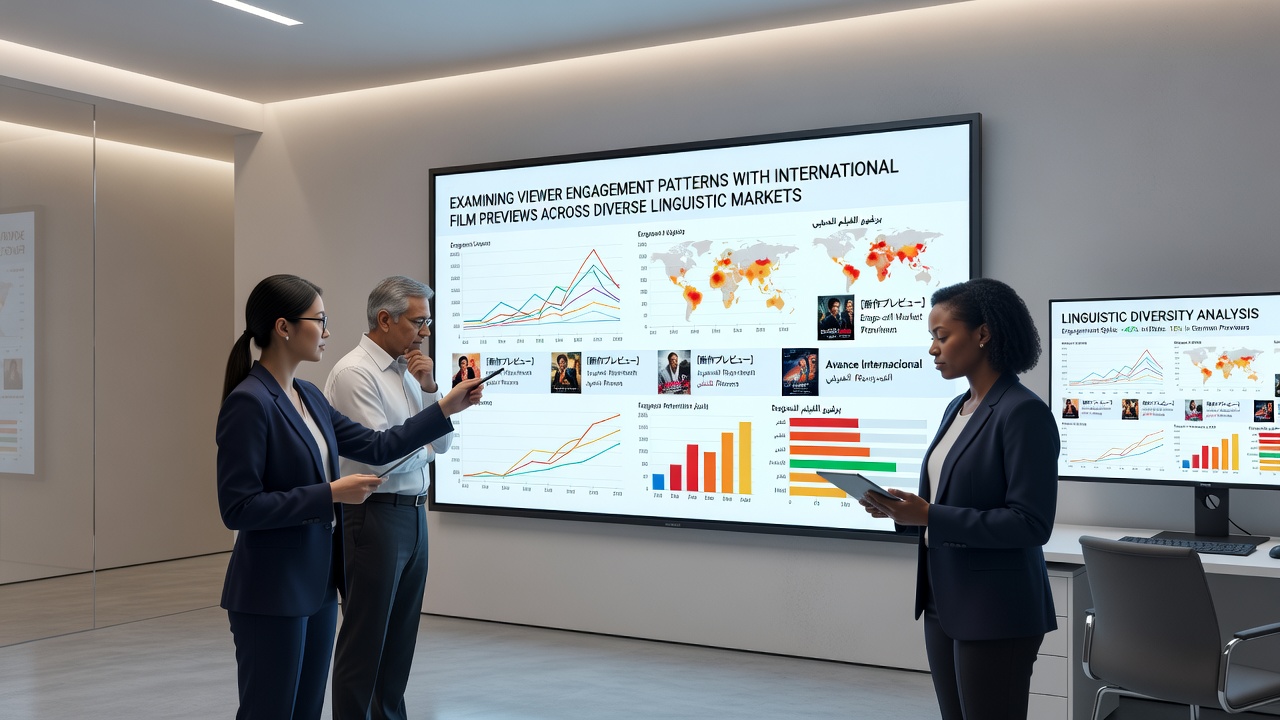
Comparative studies across multiple continents demonstrate that preview engagement does not follow a uniform trajectory, and August 2026 figures underscore differences tied to both language structure and platform infrastructure. In markets where mobile data costs remain high, shorter teaser clips under 60 seconds attract disproportionate attention, whereas full two-minute trailers perform better in regions with widespread broadband access.
According to reports from the European Audiovisual Observatory, preview interactions in Romance-language countries often cluster around genre-specific keywords, while Germanic-language audiences show stronger responses to actor-driven content. Meanwhile, data compiled by university research groups in Canada and Australia reveal that Indigenous language subtitle options, though limited in availability, produce outsized engagement spikes when offered alongside major releases.
Those examining social media amplification note that preview clips translated for local influencers generate comment threads with higher reply density, and this effect compounds when the original film already carries subtitles or dubs in the target market. Observers tracking sentiment analysis tools have recorded that neutral or positive tone in comments correlates more closely with eventual ticket or streaming purchases when the preview itself uses culturally resonant imagery rather than generic international marketing assets.
Platform-Level Adjustments and Data Collection
Streaming services and social networks refine their preview delivery systems continuously, and August 2026 updates introduced more granular language-preference filters that altered distribution patterns overnight. Platforms now prioritize previews matching a user's primary interface language before defaulting to English versions, and early results indicate measurable lifts in average view duration across non-English dominant markets.
Industry organizations such as the Motion Picture Association have tracked these shifts through aggregated anonymized data, confirming that linguistic market segmentation improves both engagement and subsequent conversion metrics without requiring changes to the underlying film content. Researchers continue to monitor whether these adjustments produce lasting effects on global preview strategies or merely reflect temporary algorithmic tweaks.
Conclusion
Patterns of viewer engagement with international film previews across diverse linguistic markets continue to evolve alongside technological and cultural variables, and evidence gathered through August 2026 demonstrates the measurable impact of language accessibility, adaptation quality, and regional timing. Analysts expect further refinement of delivery systems as more granular data becomes available, yet the core observation remains consistent: linguistic fit shapes how audiences discover and respond to upcoming releases long before they reach full distribution.