Decoding Algorithmic Curation Mechanisms That Prioritize Trailer Previews and Download Queues for Action Sequences Alongside Dramatic Narratives from Global Production Centers
Written by Bianca Schulz · Aug 25, 2026
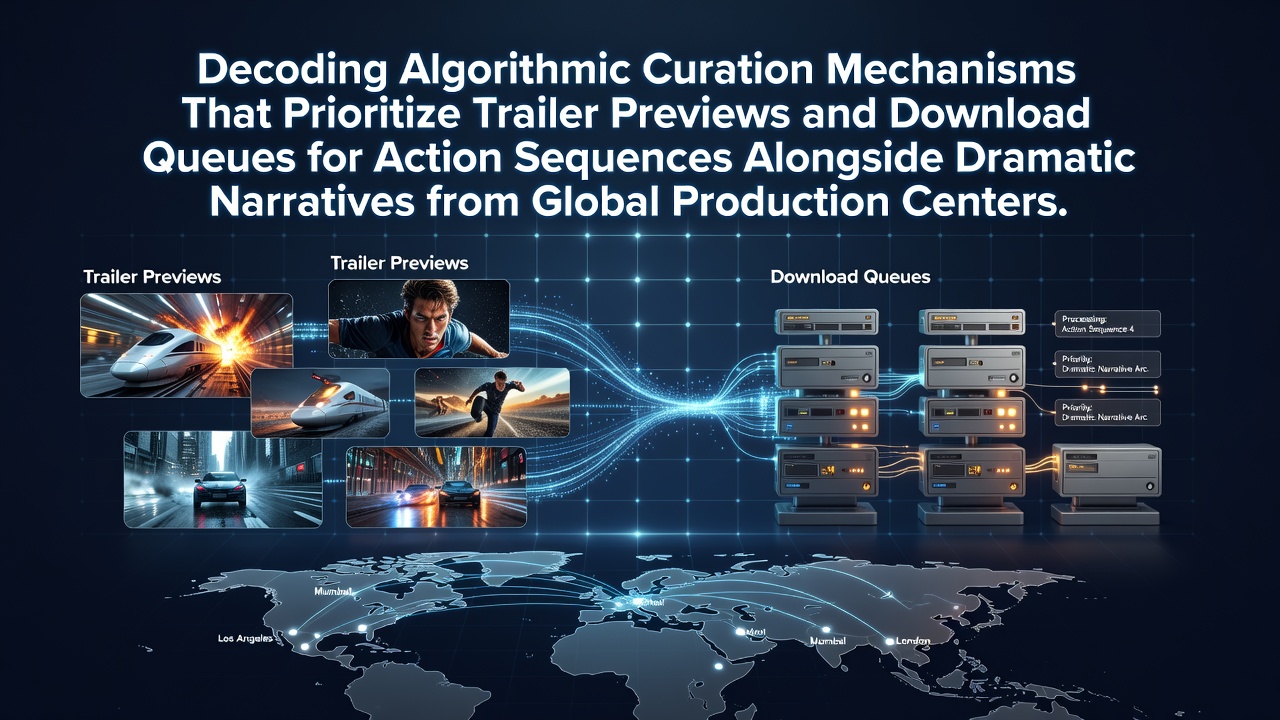
Decoding Algorithmic Curation Mechanisms That Prioritize Trailer Previews and Download Queues for Action Sequences Alongside Dramatic Narratives from Global Production Centers
Streaming platforms rely on algorithmic curation to surface content that blends high-impact action sequences with dramatic narratives drawn from production hubs across Hollywood, Mumbai, Seoul, and Lagos, and these systems analyze user behavior patterns to elevate trailer previews while managing download queues that favor fast-paced segments over slower exposition. Researchers tracking platform data note that recommendation engines process metadata from trailers first, since short preview clips generate measurable engagement spikes that signal viewer interest in kinetic sequences paired with emotional story arcs.
How Trailer Prioritization Shapes Discovery
Algorithms assign higher visibility scores to trailers that showcase explosive set pieces alongside character-driven conflicts, which allows platforms to route users toward films originating from multiple continents without requiring manual searches. Data collected through 2025 indicates that preview views directly influence queue positioning, because systems treat trailer completion rates as reliable predictors of full-content downloads, particularly when action-dramatic hybrids come from established centers like Bollywood and European studios. Observers point out that this mechanism reduces the time users spend browsing catalogs, since the engine surfaces matching trailers within seconds of login.
Download Queue Mechanics for Action-Dramatic Content
Queue management protocols evaluate file sizes and scene density to decide download order, placing sequences heavy on stunts and visual effects ahead of dialogue-heavy portions whenever global titles compete for bandwidth. Platforms optimize these queues by cross-referencing user history with regional production trends, so a viewer who previously finished a Korean action-drama may see Tamil or Nigerian equivalents promoted in the same session. Studies conducted by academic teams at institutions in Canada and Australia reveal that such prioritization cuts average wait times by factoring in both connection speeds and content metadata tags for fight choreography and narrative tension.
Global Production Centers and Content Integration
Production centers supply distinct stylistic markers that algorithms learn to recognize: Hollywood entries often feature large-scale set pieces, while South Asian and African studios contribute layered family conflicts that heighten dramatic stakes during action beats. Curation models ingest subtitle data, audio intensity levels, and scene timestamps to group titles thematically, allowing seamless mixing of languages and cultural contexts within a single recommendation cluster. In August 2026, updated indexing protocols expanded these clusters to include more titles from Southeast Asian hubs, reflecting increased licensing agreements that feed fresh metadata into existing ranking formulas.
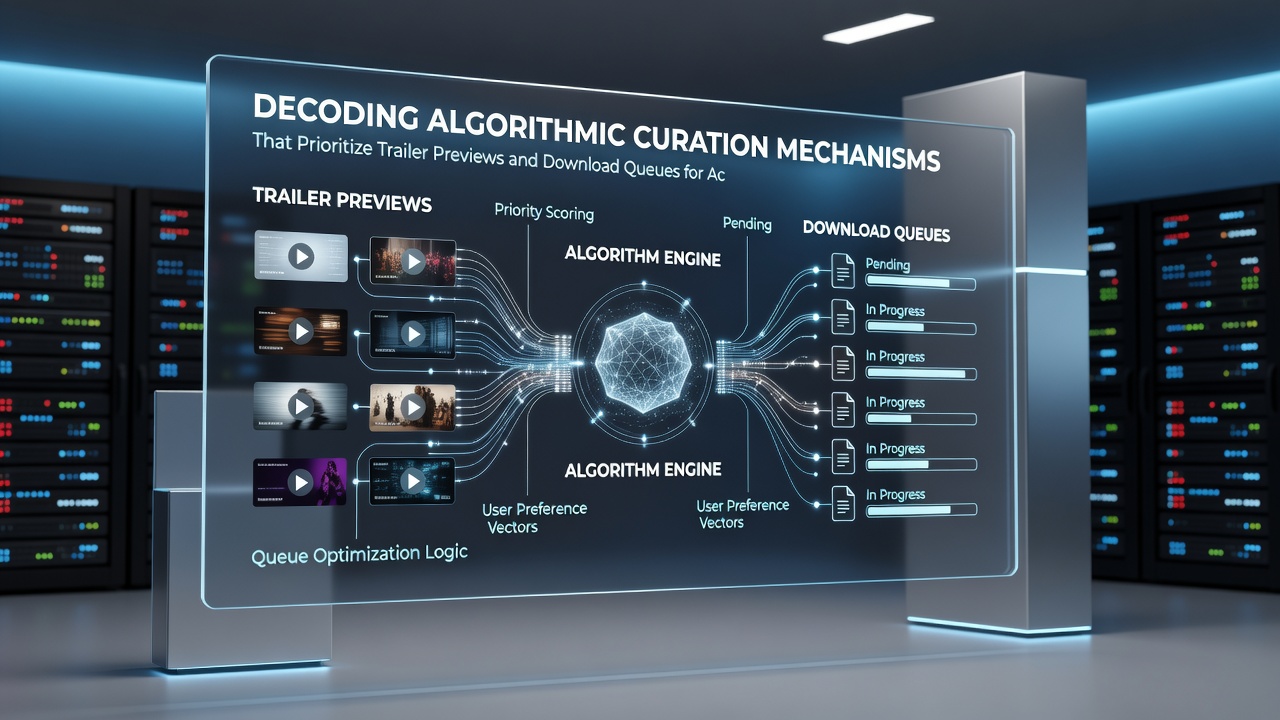
Engineers refine these models through continuous A/B testing that compares click-through rates on trailers featuring mixed-genre sequences against those focused solely on spectacle or emotion. The process incorporates signals from regulatory frameworks such as those outlined by the European Commission digital services documentation, which requires transparency around automated ranking factors, and similar reporting standards used by oversight bodies in other regions.
Technical Components Behind the Prioritization
Machine learning layers parse trailer audio waveforms for impact sounds and pair them with narrative arc annotations supplied by content partners, creating composite scores that determine placement in both homepage carousels and personalized queues. Real-time adjustments occur when download patterns shift, for instance when users repeatedly pause during dramatic interludes and resume at action peaks, prompting the algorithm to reorder subsequent suggestions accordingly. Industry reports from research organizations tracking platform performance confirm that these feedback loops stabilize within hours rather than days, enabling rapid adaptation to emerging viewer preferences across different time zones.
Metadata schemas now include granular flags for fight duration, emotional pivot points, and cross-cultural themes, which allows systems to surface compatible titles from distant production centers without manual curation. One documented case involved an algorithm grouping an American franchise entry with a recent Indian action-drama because both shared similar trailer retention curves and comparable scene pacing metrics, resulting in joint promotion that increased cross-regional discovery rates.
Conclusion
Algorithmic curation mechanisms continue to evolve by weighting trailer previews and download queue efficiency for action sequences interwoven with dramatic narratives sourced from worldwide production centers, and platform operators maintain these systems through iterative data analysis that balances engagement metrics with compliance requirements. As licensing expands and metadata standards improve, the same core processes will determine how future global titles reach audiences seeking kinetic storytelling balanced with emotional depth.