Advancements in Video Encoding That Facilitate Free Access to Action and Drama Titles Across Regions
Written by Tina Reed · Jul 28, 2026
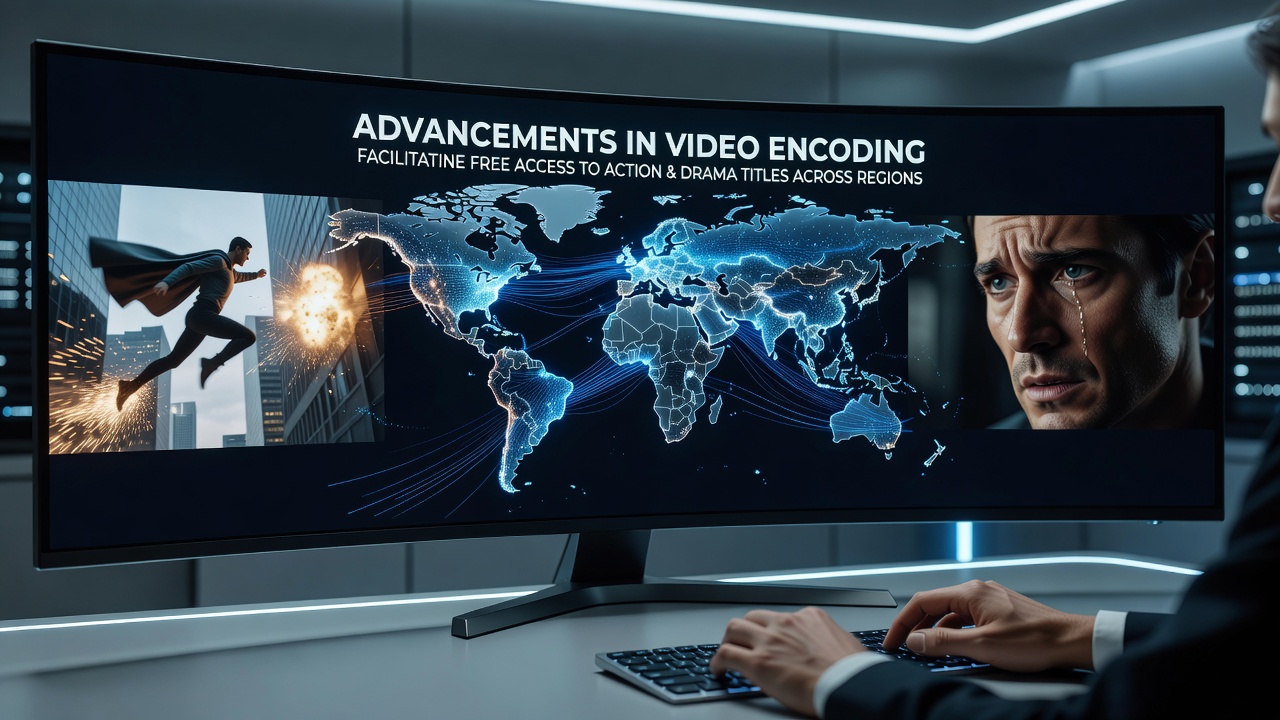
Advancements in Video Encoding That Facilitate Free Access to Action and Drama Titles Across Regions
Video encoding advancements have transformed how action and drama titles reach audiences in multiple regions through efficient compression techniques that reduce file sizes while maintaining visual quality and this shift supports broader distribution models including free streaming platforms. Researchers have tracked progress from early standards like MPEG-2 to modern codecs such as HEVC and AV1 and these developments lower bandwidth requirements substantially which proves essential in areas with limited internet infrastructure.
Core Technical Improvements in Modern Codecs
Action sequences demand high frame rates and detailed motion rendering while drama films rely on nuanced color grading and subtle lighting shifts yet newer encoding methods handle both genres with greater efficiency than predecessors. Data from industry analyses shows AV1 achieves up to 30 percent better compression than H.265 in many test cases and this performance stems from advanced prediction algorithms plus enhanced entropy coding that processes complex scenes more effectively. Those who study codec adoption note that open standards like AV1 avoid licensing fees which encourages integration into free access services operating across borders.
Studies conducted by academic institutions reveal that VP9 and AV1 together support adaptive bitrate streaming that adjusts quality based on connection speeds and this flexibility allows viewers in rural or developing regions to access full-length features without buffering interruptions. Experts observe that hardware acceleration chips now appear in a growing range of devices and this hardware support accelerates decoding speeds for high-resolution content including 4K action titles.
Regional Accessibility Gains Through Bandwidth Reduction
Lower data consumption directly expands reach because free platforms can deliver content without heavy infrastructure investments and evidence from multiple markets indicates increased viewership in South Asia, Latin America, and parts of Africa where average connection speeds remain modest. Regulatory bodies in the European Union and Australia have documented how improved encoding aligns with digital inclusion goals by minimizing the data costs that previously limited participation. One analysis from a Canadian research group highlighted that AV1 adoption correlates with higher completion rates for streamed films in test groups using mobile networks.
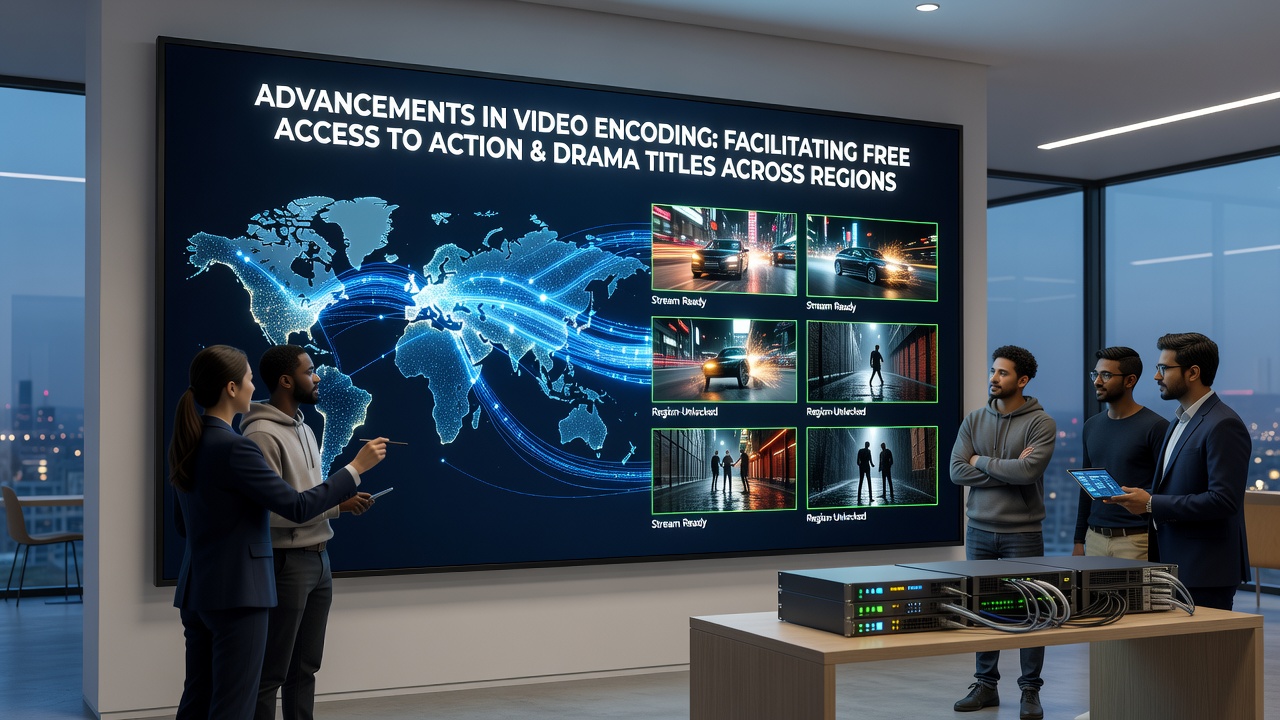
July 2026 marks a notable point because several major device manufacturers began rolling out native AV1 decoders in mid-range smartphones and tablets and this timing coincides with expanded content libraries on free services that focus on action and drama categories. Observers note that these hardware updates reduce reliance on software decoding which drains battery life and the resulting user experience encourages longer viewing sessions across varied network conditions.
Genre-Specific Benefits for Action and Drama Content
High-motion action scenes benefit from temporal prediction tools that minimize artifacts during rapid cuts and camera movements while drama productions gain from improved intra-frame coding that preserves skin tones and environmental details. Figures released by trade organizations indicate that encoding efficiency gains have allowed platforms to offer simultaneous releases of international titles in multiple languages without proportional increases in storage or delivery expenses. People who analyze viewing patterns find that regions with previously restricted access now report steady growth in hours spent on these genres once bandwidth barriers drop.
Academic papers from institutions in Asia and North America compare older H.264 streams against current AV1 outputs and the results demonstrate consistent quality retention at half the bitrate in controlled trials. This technical margin supports free distribution models because operators incur lower transit costs when serving large user bases simultaneously and the savings can offset expenses associated with content licensing across territories.
Future Outlook and Continued Development
Work continues on next-generation tools that incorporate machine learning for scene-adaptive encoding and preliminary tests suggest further reductions in file sizes for both live and on-demand action and drama programming. International standards bodies coordinate these efforts to ensure interoperability so that viewers using equipment from different manufacturers experience consistent playback. Data collected through 2026 shows accelerating deployment of these codecs in free access environments and this trajectory points toward wider availability of high-quality titles without geographic or economic restrictions.
Conclusion
Video encoding progress has created measurable pathways for action and drama titles to reach diverse regions through reduced bandwidth demands and open standards. Continued refinement of these technologies sustains the expansion of free streaming options while preserving content quality across network types and device categories.